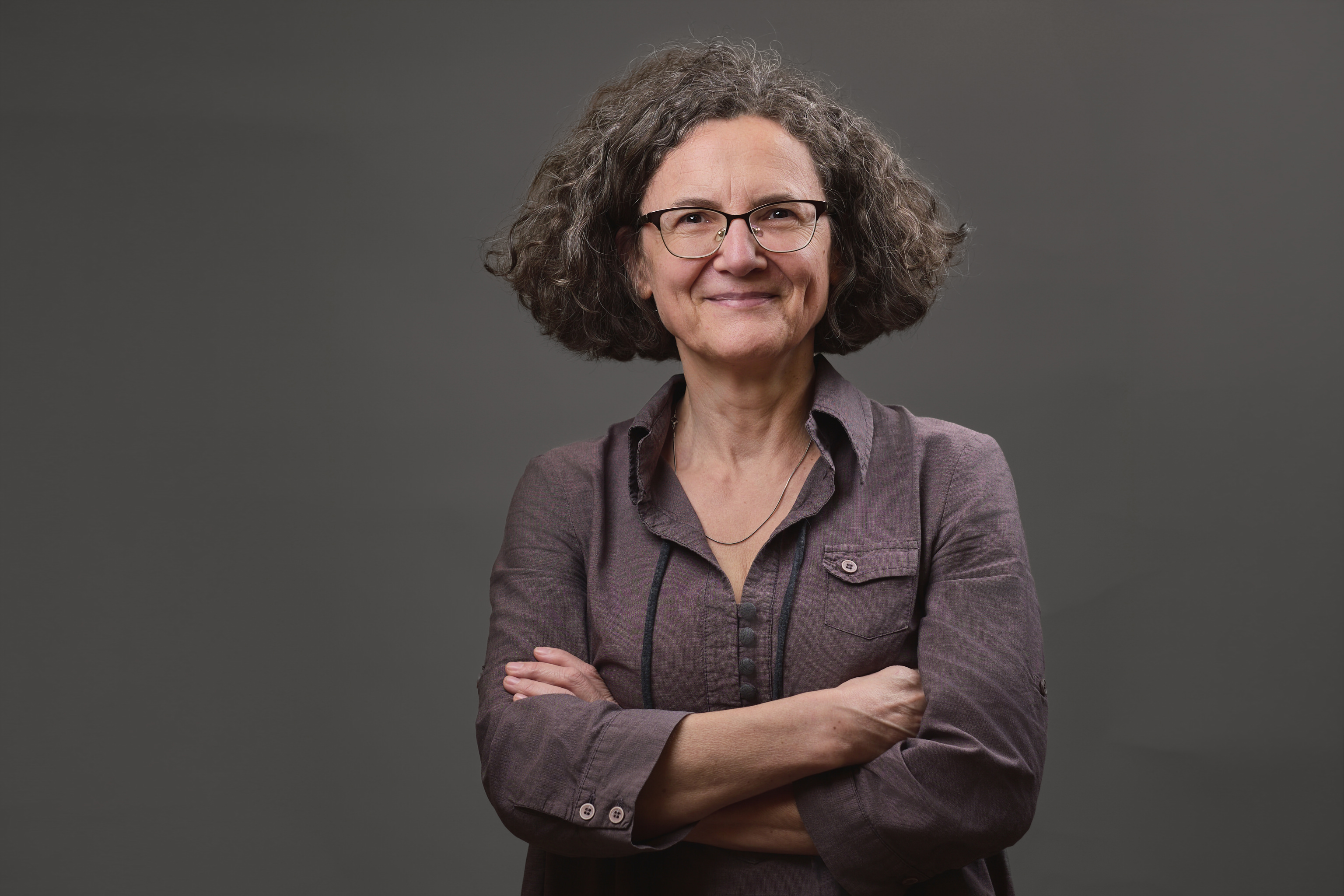
Milena Johnová has just published the first book on person-centred planning written in Czech. In a conversation recorded for Inclusion Europe Radio, she talks about why the book was needed, what she learned while writing it, and what it actually takes to help someone move from an institution into a life of their own.
Milena Johnová is an expert in person centred planning and an advocate for inclusion. She’s been involved in Czech social policy for a long time, including in developing and implementing new laws and approaches to protect rights and inclusion of people with disabilities. Johnová was councilor of Prague, responsible for social and health care in 2018-23 – during this period she led the closure of one of Prague’s institutions. Johnová worked for Inclusion Europe in 2023-25, supporting inclusion of people with intellectual disabilities in Ukraine.
Why this book, why now
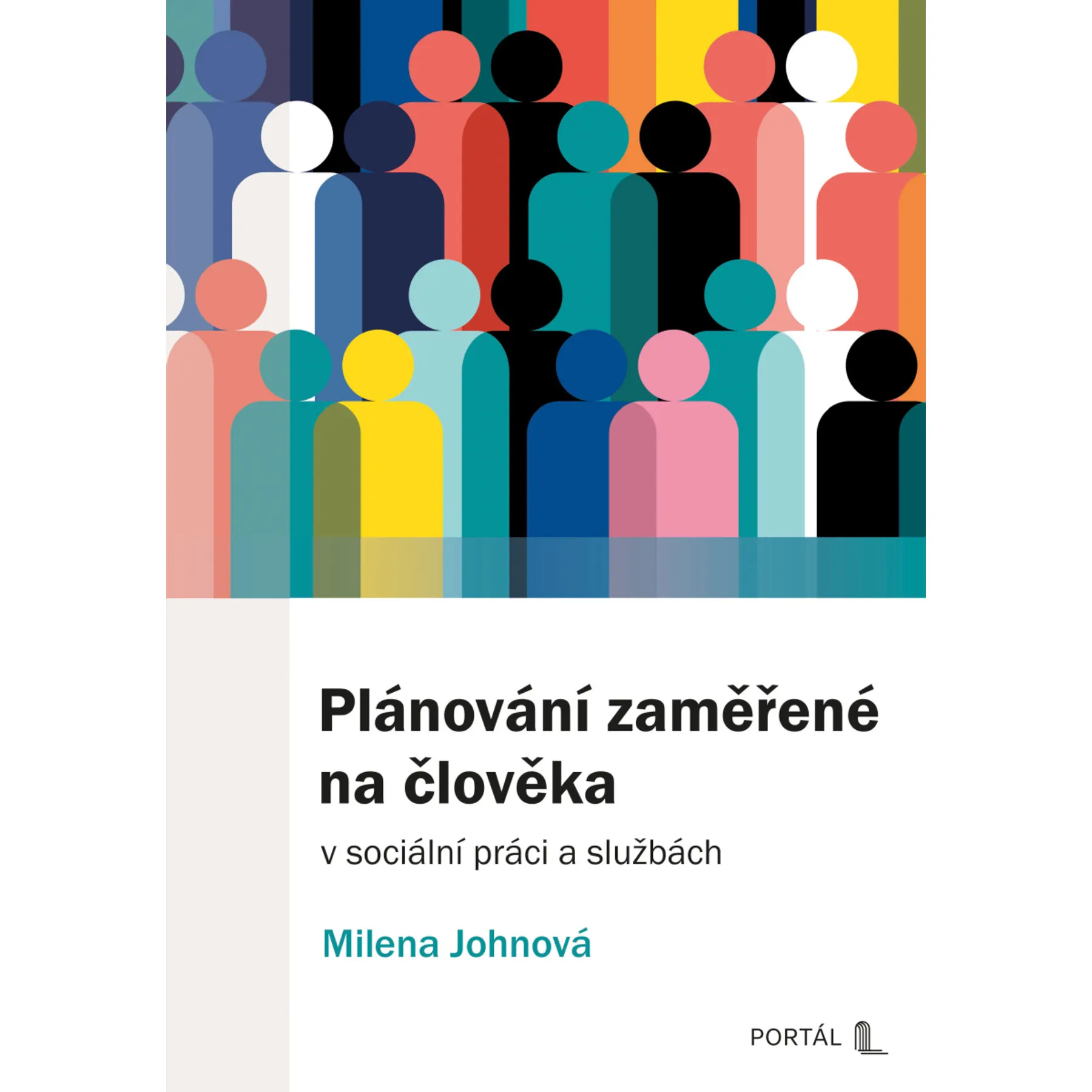
There was no book on person-centred planning in Czech. Johnová wanted to fix that, but the writing process taught her more than she expected. She already knew the tools and techniques. What she hadn’t fully grasped before was the history behind them, and how the concept of normalisation, and later social role valorisation, explain why society excludes people in the first place.
“There are concrete reasons and roots how society excludes people… when their differences are viewed negatively.”
Understanding those roots, she says, is what allows people to actually push back against the barriers.
What person-centred planning means
Johnová describes it as a way of thinking through situations of real complexity, helping people get support so they can live a life that’s meaningful and gives them a real role in their community. It’s not just a set of techniques for collecting information. It’s a tool for building alliances, between professionals, families, friends, and neighbours, because no single service can deliver a good life on its own.
She also points out services can end up limiting the very inclusion they’re meant to support.
“Social service could be the reason of limitation of inclusion of people.”
Barbara’s story
One example from the book: Barbara Mikulová, who left an institution, had her legal capacity restored, and now lives independently in her own flat — ten years on, with no social service support at all, just the kind of everyday help from friends that most people rely on.
“It’s ten years from the day when she left the institution, and she still lives in her flat… She has no social service.”
Johnová mentions, almost in passing, that Barbara Mikulová was invited to the book’s launch event and turned it down. Not out of disinterest in the cause, but because she’s simply moved on with her life – work, routine, no longer defined by her story of leaving the institution.
“It’s a happy-end from my point of view that she is not interested.”
The closure of Svojšice
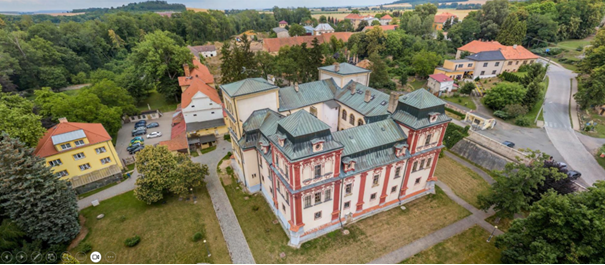
The conversation turns to a story that isn’t in the book: the closure of the Svojšice institution, near Prague, during Johnová’s time as Prague councillor responsible for social care. Around 100 people lived there, some for decades. The process took roughly three years.
What stood out wasn’t the logistics, but the tools used to find out what people wanted, including a simple one: thinking through what makes someone have a “good day” versus a “bad day”, and working from there.
“They were thinking about people, individuals – what makes a good day for them and what makes a bad day… How we can ensure that particular person has more good days and less bad days.”
Some residents initially wanted to stay. Prague kept a small residential option open for them.
“Finally nobody wanted to stay. All of them wanted to move from the middle of the woods to normal life.”
The conversation draws out an important distinction: asking someone who has spent years in an institution “would you like to leave?” isn’t a real choice unless they’ve actually been able to experience what the alternatives look like.
Practice that hasn’t gone away
Despite Svojšice’s closure, Prague – one of the wealthiest regions in Europe – still sends people with disabilities to institutions far outside the city, some near the German border, hours away from family and friends. Johnová is blunt about why.
“They decided that it costs less if the services are provided outside Prague. And this inhuman policy continues.”
Some 1,000 people are in places like this. The Czech ombudsman has recently criticised the practice, and groups of family members continue to push for accessible services within Prague itself, alongside organisations like Rytmus, an Inclusion Europe member, that already support people to live independently in the city.
The bigger national picture
Johnová raises a concern about how deinstitutionalisation is currently being approached in Czechia: as a construction project rather than a human rights project. The focus being on new, nicer, smaller buildings rather than support being re-thought.
“The main barrier is experts fighting to preserve their expert view of life of people with disabilities.”
Keep listening
The conversation ends on what Johnová sees as the core discipline of person-centred work: not a one-time consultation, but an ongoing habit. “Listening to people is a big task of people who would like… person-centred planning way of work and thinking.”
In this episode:
00:00 Welcome to Prague 00:43 Why Write the Book 02:54 Roots of Segregation 04:55 Alliances for Inclusion 06:45 Services vs Community 08:38 Barbora’s Journey Home 12:28 Closing Svojšice Institution 16:54 Real Choice in Practice 18:00 Prague Removing Disabled People to Institutions 23:06 Horní Poustevna Legacy 25:04 Building New Institutions 26:37 Changing Minds and Systems 29:37 Podcast Picks and Farewellhttps://open.spotify.com/embed/episode/7hI0IHw7bu55FBCpHs6HcX?utm_source=generator&si=55cedf4f8e7042b6
During this conversation, we also talk about 3 previous episodes of Inclusion Europe Radio:
- Jan Pfeiffer: From practice to policy: How Czechia’s reform shaped European deinstitutionalisation
- Roxana Damaschin-Țecu: Transforming lives: How supportive relationships, homes and jobs help people get out of institutions in Romania
- Theresa Shearer: On leadership