Skip to content

Self-advocacy & Speaking Up

Self-advocacy aims to strengthen the independence, autonomy, and participation of people with intellectual disabilities.

Understanding your own rights and the rights of other people with intellectual disabilities.

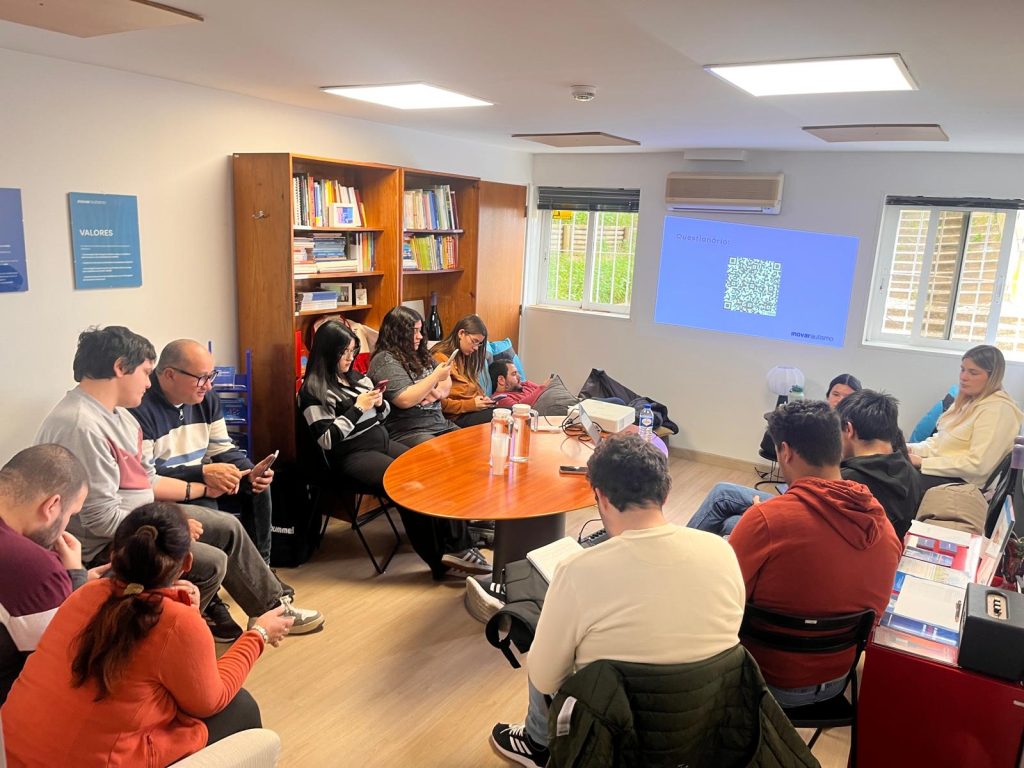
Coming together in groups and giving one another peer support.

Sharing experiences and learning from one another.

Building confidence, voice and power over their own lives.

Taking action by holding organisations and governments accountable.

Coming together to defend their rights and change laws, policies and services.

Who are they?

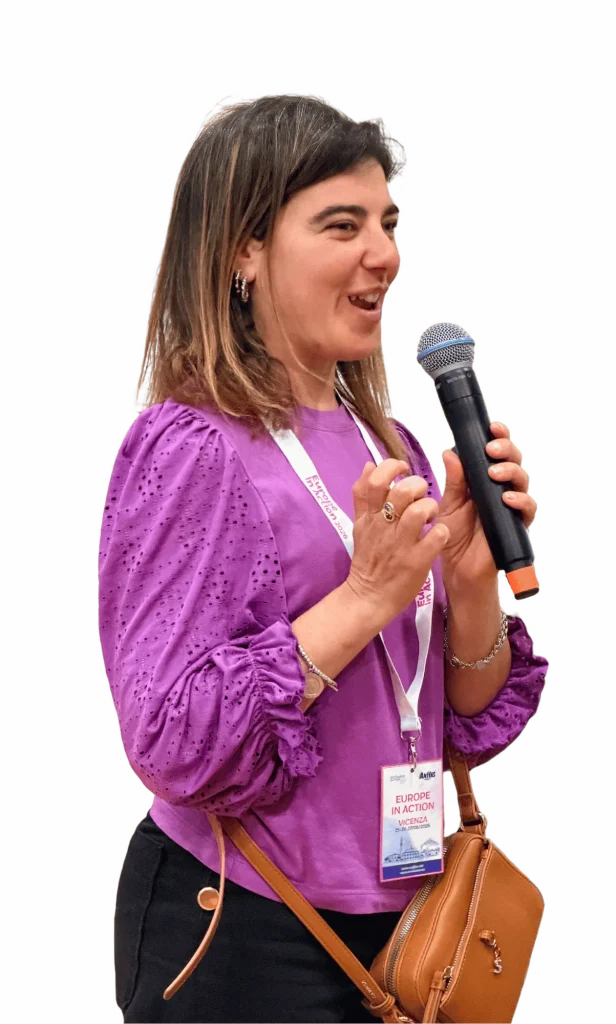
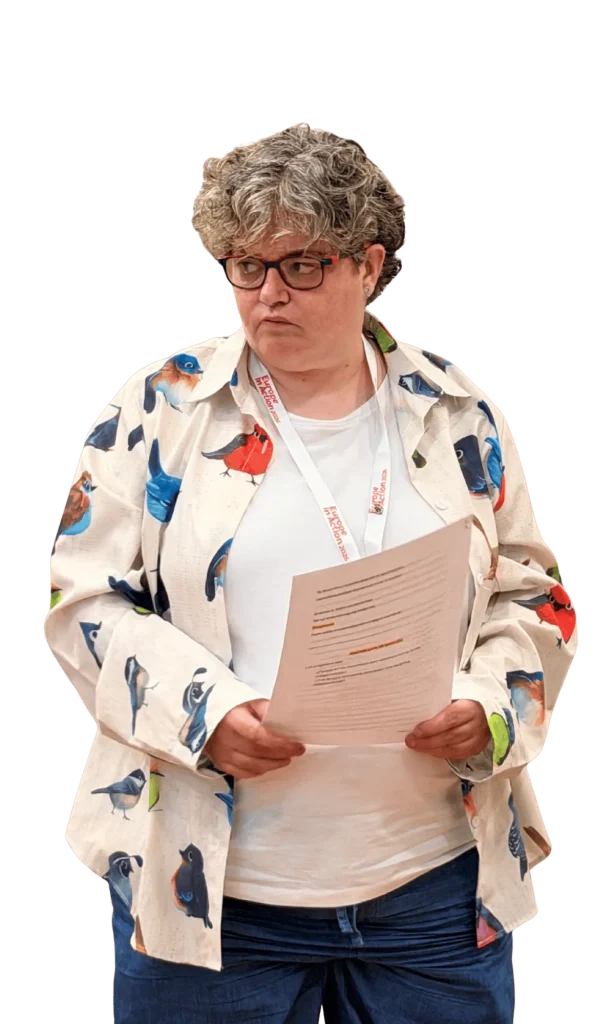
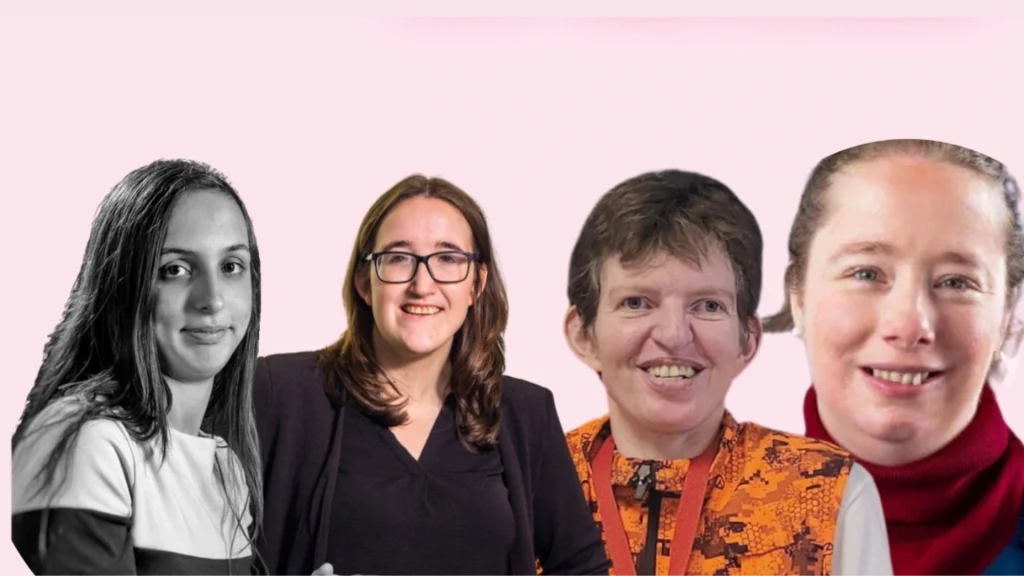
Self-advocates are people with intellectual disabilities who speak up for themselves about the things that are important to them.

What we do to support self-advocates

Self-advocacy News

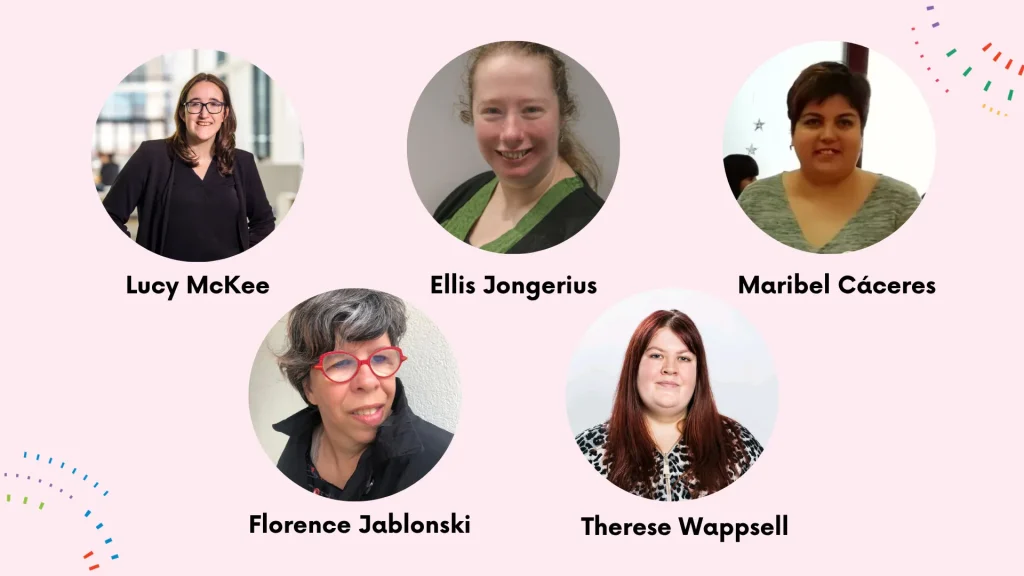
European Platform of Self-Advocates

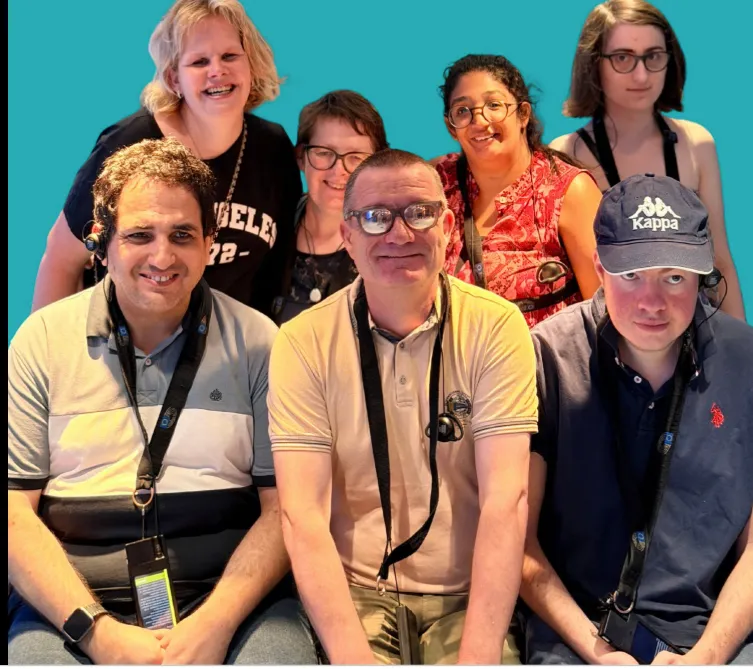
The European Platform of Self-Advocates brings together self-advocacy organisations and groups from across Europe.Self-advocates work together, decide on priorities and influence the work of Inclusion Europe and European decision-makers.

History of Self-advocacy

  • The self-advocacy movement started to grow in Sweden in the 1960s. People with intellectual disabilities started meeting in their own groups.
  • They made choices about activities and talked about things that were important to them.
  • Soon, they started speaking up about their lives and their rights.
  • In 1968, self-advocates came together at a conference in Sweden to share their views.
  • The self-advocacy movement later grew in many other countries.
  • In 2000, the European Platform of Self-Advocates became part of Inclusion Europe.