Inclusion Europe participated in a three-day training program in Portugal, focused on the rights and inclusion of people with intellectual disabilities. The trainings were organised in collaboration with the Disability and Human Rights Observatory at the University of Lisbon, and with FENACERCI.
84 participants took part in the trainings (15 in person, 69 online) in early May 2025.
What matters, what works
The first day was about issues that matter most to people with intellectual disabilities and their families, and about how Inclusion Europe works in our advocacy and communication.
“Out job is to make Europe finally end segregation of people with intellectual disabilities, and isolation of their families,” explained Milan Šveřepa, Inclusion Europe’s Chief Executive. “With reports such as Inclusion indicators, we can show what the situation for people with intellectual disabilities and families is in more than 30 European countries”
- In 11 countries legal capacity can be fully removed and the right to decide is not respected.
- 750,000 people with intellectual disabilities are segregate in large institutions. In 27 countries people are likely to have to move into an institution after their parents cannot provide care. In 29 countries few or no people with intellectual disabilities are employed on the open labour market. In 18 countries people with intellectual disabilities risk losing their disability benefits when they earn their own salary.
In the following part, participants learned about how Inclusion Europe works to support self-advocates’ participation and representation. The European Platform of Self-Advocates (EPSA) is very important for this, being a place where self-advocates learn from one another and represent at European level. EPSA also provides feedback on how well Inclusion Europe works to include self-advocates in all we do.
Big part of the program was a discussion about deinstitutionalisation and how to monitor how it works in Europe. We talked about different way this could be done, looking at examples from different countries.
Reports about Portugal
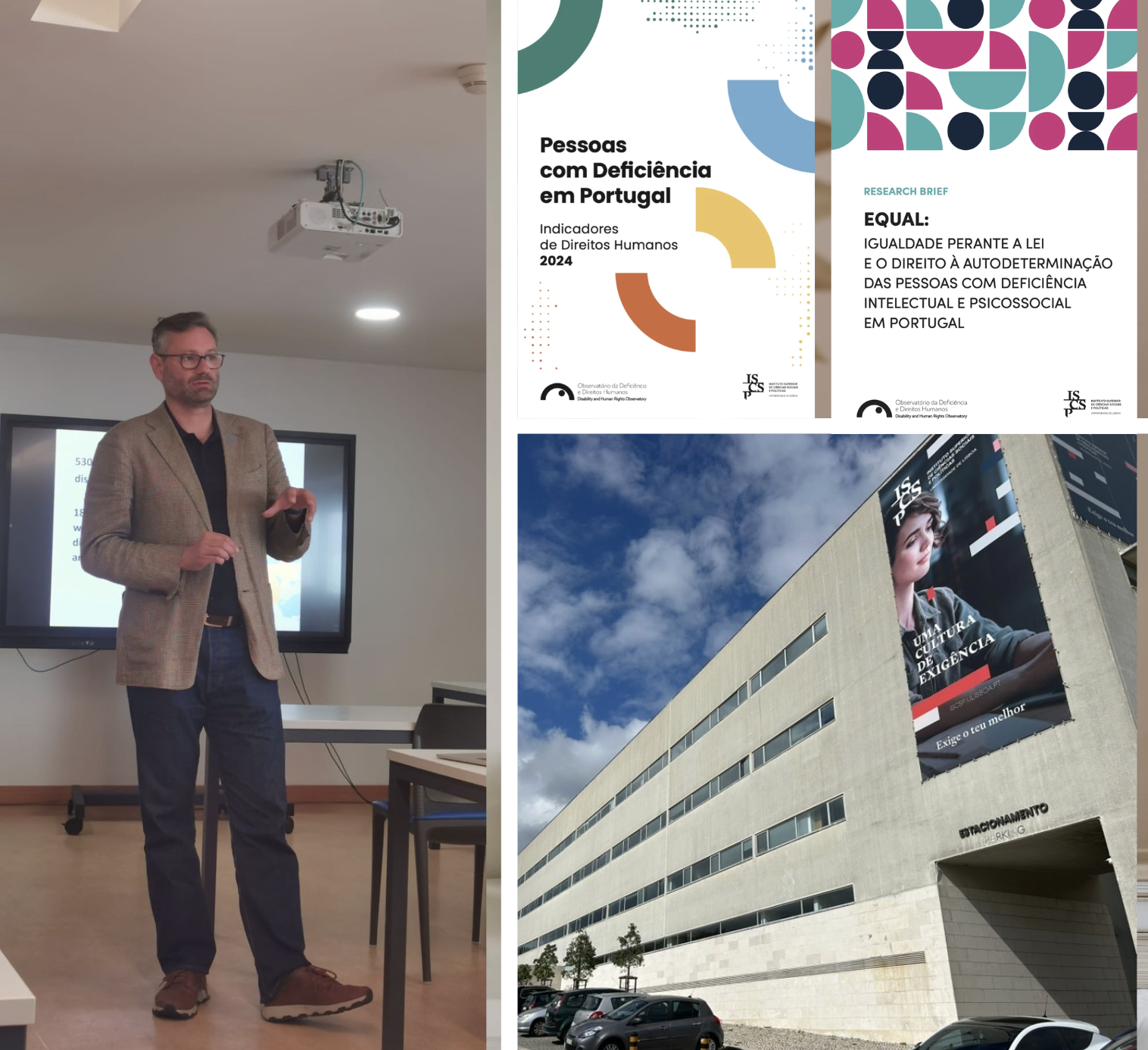
We also learned about the Disability and Human Rights Observatory, which hosted this training. The Observatory is part of the University of Lisbon. The main job of the Observatory is to look into the situation of people with disabilities in Portugal. The Disability and Human Rights Observatory produces reports every year. The Observatory also runs a platform where many disability organisations in Portugal come to talk about common issues.
Latest report by the Disability and Human Rights Observatory found that:
- “Between 2015 and 2022, Portugal increased spending on social protection for people with disabilities by only 14%. On average for EU countries, spending in the same period increased by 23%.”
- “In 2022, there was a positive evolution in the employment rate of people with disabilities in Portugal (65%), reflecting an increase of 6.3 percentage points compared to 2020. For the first time, there was equality in the employment rate of women and men with disabilities (65%). However, there is still a significant difference (14.7 p.p.) between the employment rates of persons with disabilities (65%) and persons without disabilities (79.7%).”
- “In the 2022/2023 school year, measures to support learning and inclusion were mobilized for 88,682 students, representing 7.4% of the total number of students attending public education in mainland Portugal. Most of the students supported were boys (63%), evidencing an underrepresentation of women (37%).”
The Observatory has also published a report called Equality before the law and the right to self-determination of people with intellectual and psychosocial disabilities.
Importance of person-centred planning
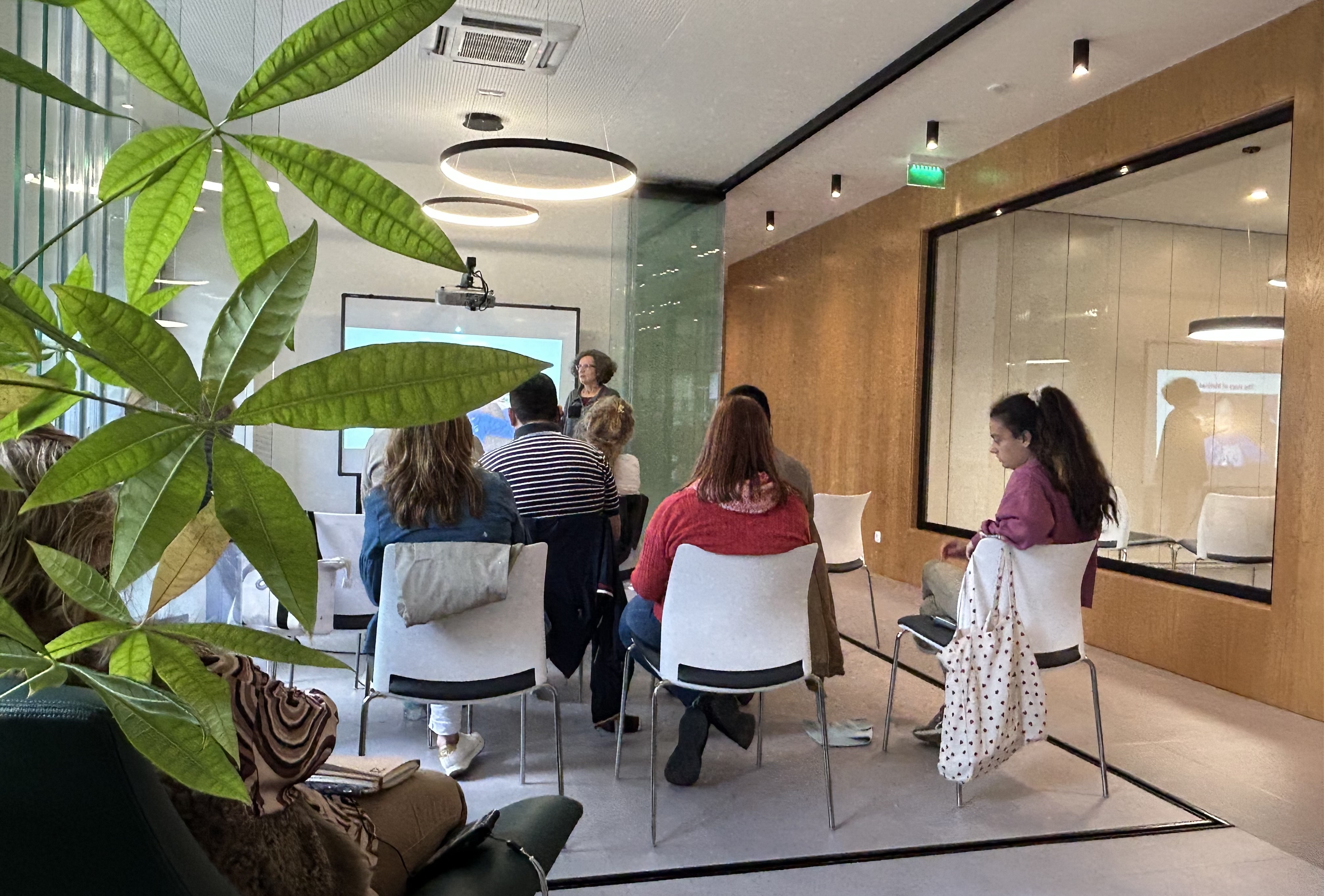
The second day was hosted by FENACERCI, our member in Portugal. Discussions focused on advocacy for full rights and inclusion of people with intellectual disabilities and families.
Support to self-advocacy and how it works at European level was a topic that raised particular interest among participants. Sandra Marques, Inclusion Europe’s self-advocacy expert, discussed with participants how self-advocacy works at national and European levels, and what joining EPSA and participating at European level means.
Self-advocates, family members and professionals present for the training shared their views and practices, for example of supported employment programs in Portugal.
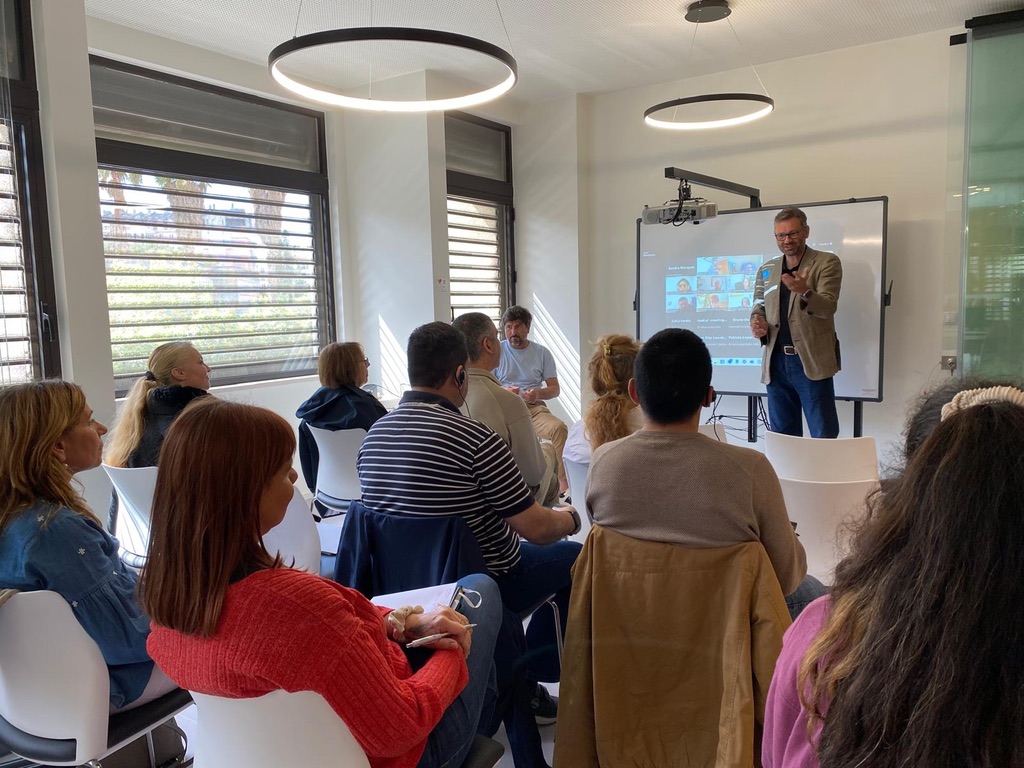
The agenda then moved on to what good support for living independently and being included means and different models of how it can work. Milan Šveřepa explained recent work at European level regarding these topics:
- European Commission: Guidance for living independently and being included
- Inclusion Europe: EU money for inclusion
Milena Johnová, deinstitutionalisation expert, talked about her work to support children with complex support needs, and for deinstitutionalisation. The examples she shared made a good point about the importance of using person-centred planning and what difference it makes for people.
FENACERCI
FENACERCI is the National Federation of Cooperatives and Social Solidarity is 52 associated members located throughout Portugal, providing support and services to about 25,000 people with intellectual disabilities and their families, with close to 6,000 professionals.
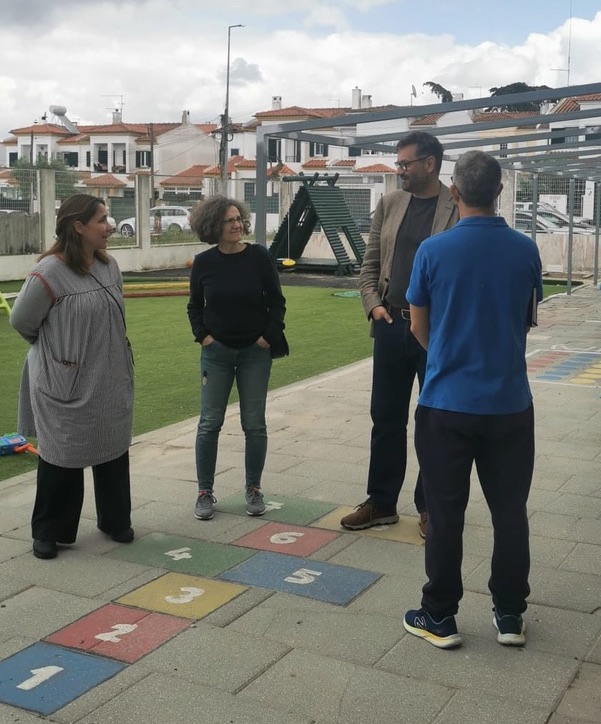
Inclusion Europe visited one of the local organisations, to learn about how school inclusion of children with disabilities works. CERCIZIMBRA runs a kindergartens, as well as a resource centre for inclusion. They have a number of other services, including early childhood intervention.
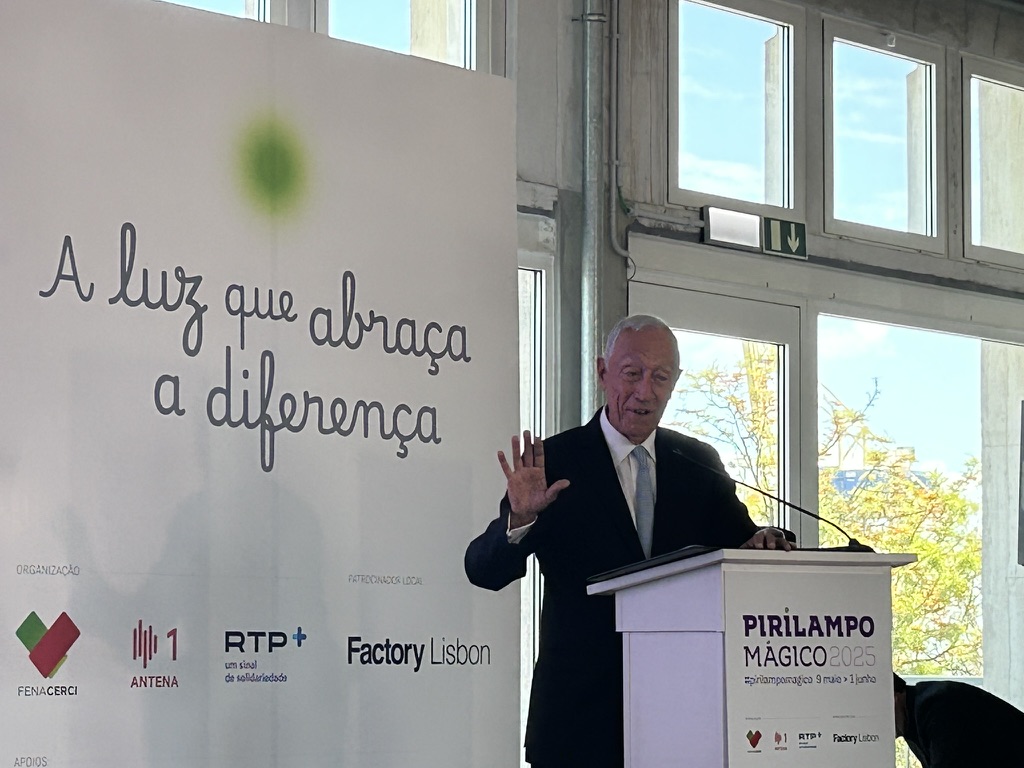
We also had the opportunity to participate in the launch of FENACERCI’s annual fundraising campaign, called “Magic firefly – a light that embraces difference.”
Julieta Sanches, president of FENACERCI, spoke about the campaign “as a symbol of transformation of a society that wants to be increasingly inclusive and that invites all people to participate in this movement”.
“It is necessary to make this campaign succeed … so that we can embrace difference,” said the president of Portugal, Marcelo Rebelo de Sousa, who has been a long-time supporter of the cause. “Everyone has the right to be as they are.
“Everyone has the right to be treated with respect for the way they are, without ignorance, without indifference, without discrimination,” the president concluded using the words from a preceeding speech of self-advocates Albino Silva and Ana Carolinha Cunha.
The self-advocates also said in their speech:
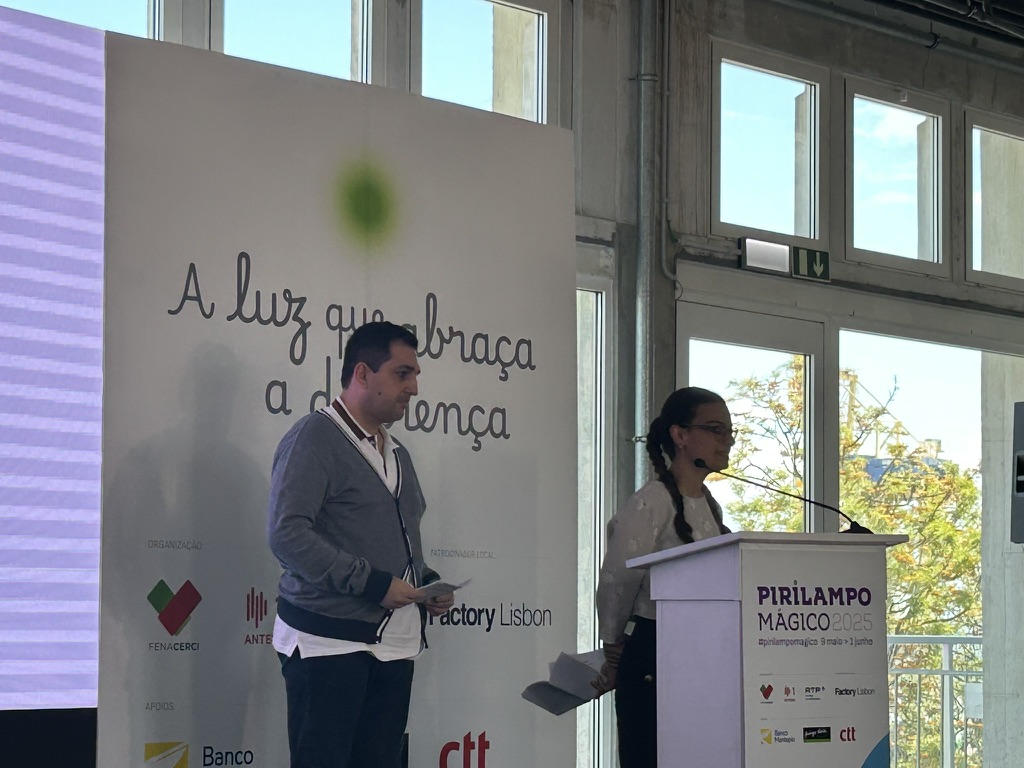
- “To be self-advocates is to be able to express what we think, what we feel, what we want and what we need. It’s about being involved in all the affairs of our lives. Like today, for example, when you feel you have a voice and are being heard! It is with pride that we have come to use our voice to represent with intellectual disabilities.”
- “We both have the support of CERCI Lisboa and FENACERCI. These organisations have played an important role in our lives: we take part in activities and projects, we can learn new things, work, make friends and socialise. On this road to inclusion, we feel capable and valued just as we are. And that is the role of organisations: Be a support on our path to inclusion and full participation!”
- “This campaign is a symbol of hope and inclusion. It shows that we all have value, we all have dreams, and we all have the right to live with dignity, respect and equal opportunities.”
Inclusion Europe would like to thank all the trainings’ participants for your time and engagement. It was a pleasure to be able to share about the topics and work that matters to us.
We also thank the Disability and Human Rights Observatory, FENACERCI, and CERCIZIBRA for hosting the trainings and visits. It was a pleasure to meet you all and to learn about your work.
The training was organised with financial support from the European Union.