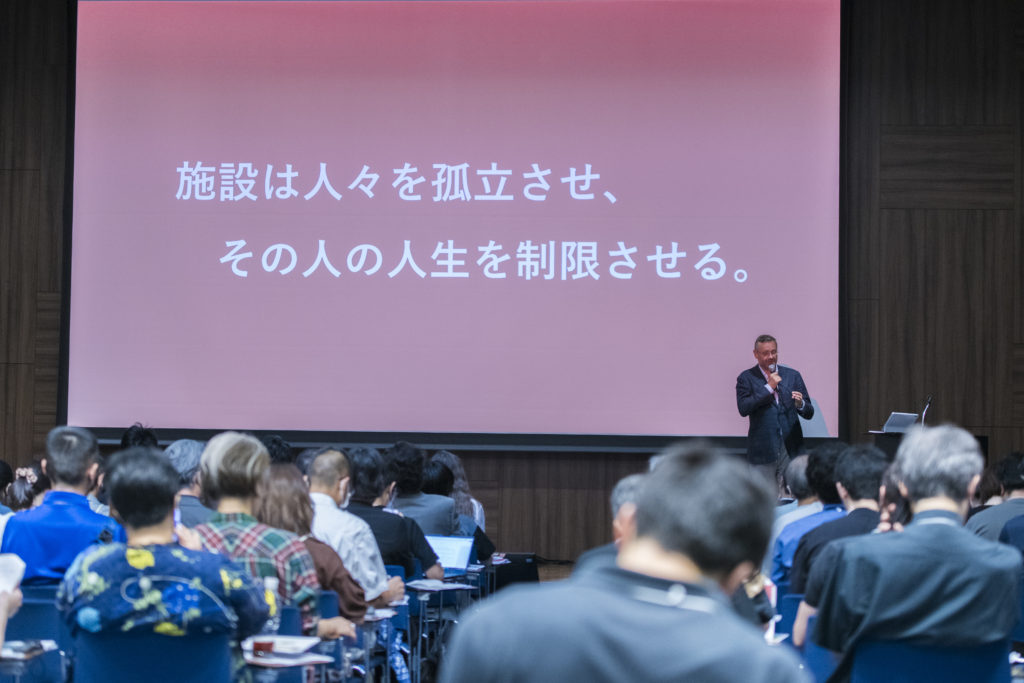
Early this July, I travelled to Japan for the first time. I was invited to Tokyo to speak about deinstitutionalisation: the move from institutions to life in the community. I was to give a lecture organised by the Nippon Foundation.
Before I left, I asked myself: how does my experience in Europe apply in Japan? I don’t know much about the country, and I won’t pretend otherwise.
But while societies and cultures differ, people are much the same everywhere. Wherever you live, the same things make you feel included in your community.
We may use different words. We may picture it in different places. But inclusion means the same thing in Brussels, Prague or Tokyo: Having things to do, people to see, and places to be.
From “having experience” to living a life
In my lecture, I talked about how important it is for services to support people who live(d) in institutions to try new things, find out whether they like them, and keep doing the ones they do.
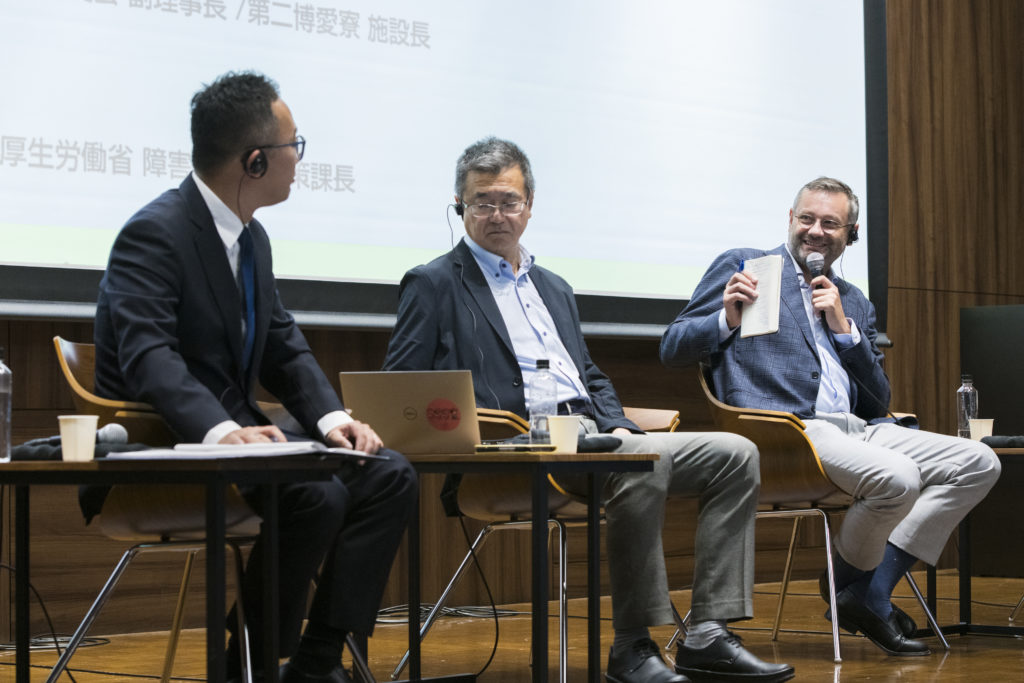
In the panel that followed, one speaker described how their institution keeps an “experience to-do list” for the people who live there. What do they want to do? Where do they want to go this year?
To be honest, it sounded a bit superficial to me. I was already trying to figure out how to say so politely.
But then – The speaker continued to talk about one resident, who had wanted to go to the gym. And it didn’t stay a one-off. It became a routine: three times a week.
There’s a difference between a one-off experience and something you keep doing. Between something that happens to you, and something that becomes part of who you are.
This is far from inclusion. But it is a step in the right direction.
Experiences like this matter, as long as people get the support to build on them and turn them into lasting interests, if they want to.
That’s especially true for people who have spent years in institutions. They have been denied the chance to learn about the world, and about themselves. What they like. What they’re good at. What they want to do every Tuesday.
Because in the end, inclusion is about having things to do, people to see, and places to be.
Milan Šveřepa, Chief Executive, Inclusion Europe