On 2 December, more than 45 self-advocates and their supporters came together in Brussels and online for the final Hear Our Voices! event of the year.
This year, Hear Our Voices! conference was 23 events that took place in 18 countries across Europe.
The theme was “Being heard. Being seen.”
On 2 December, the events came to an end with self-advocates meeging in-person in Brussels and online to share their messages.
László Bercse, Chair of the European Platform for Self-Advocates (EPSA) and Vice-President of Inclusion Europe, opened the event. He spoke about why self-advocacy and inclusion are important.
“Self-advocacy means that we dare to stand up and make our voices heard,” said Mr. Bercse.
Self-advocates presented what happened during the Hear Our Voices! events in their country.
🇷🇴 Romania:
Elisabeta Moldovan spoke about the Q&A session self-advocates led during Inclusion Europe’s visit to Timișoara. There, Romanian self-advocates asked Inclusion Europe’s chief executive Milan Šveřepa questions about the situation of people with intellectual disabilities across Europe. They compared Romania to other European countries. They spoke about the stigma they face in everyday life, and the inaction of decision-makers. And they made clear that institutions in their country must finally close.
🇭🇺 Hungary:
“We are just like everybody else. Everyone in Europe should know that,” said Ilona Sallai. Ms. Sallai presented the Hear Our Voices! Event in Hungary. There, Hungarian self-advocates met to discuss the right to live independently in the community, life after institutions, and how to ask for support. For many, moving into the community brings freedom, stability, and a chance to build real relationships. They also spoke about the importance of self-advocacy to make these rights a reality.
The speakers said that visibility, acceptance, and taking part in community life are important. They made it clear that institutionalisation is harmful and must stop. Their message was direct: we want to live close to others, make our own decisions, work and live independently.
🇬🇪 Georgia:
Mariam Berikelashvili presented the Hear Our Voices! events self-advocates led in Georgia. During a two-day conference in Georgia, 12 self-advocates had the chance to speak to representatives from the United Nations, civil society, and the Embassy of Denmark. They gave speeches on healthcare, education, employment, independent living, and accessibility. They presented their new podcast project ‘Nothing Without Us’, which reached over 700,000 people. Ms. Berikelashvili ended her presentation with a strong call for better and inclusive healthcare and education, especially for women with intellectual disabilities.
“I am an adult woman, and I want to be treated that way. Nothing is worse, than being treated like a child.” said Ms. Berikelashvili.
🇵🇹 Portugal:
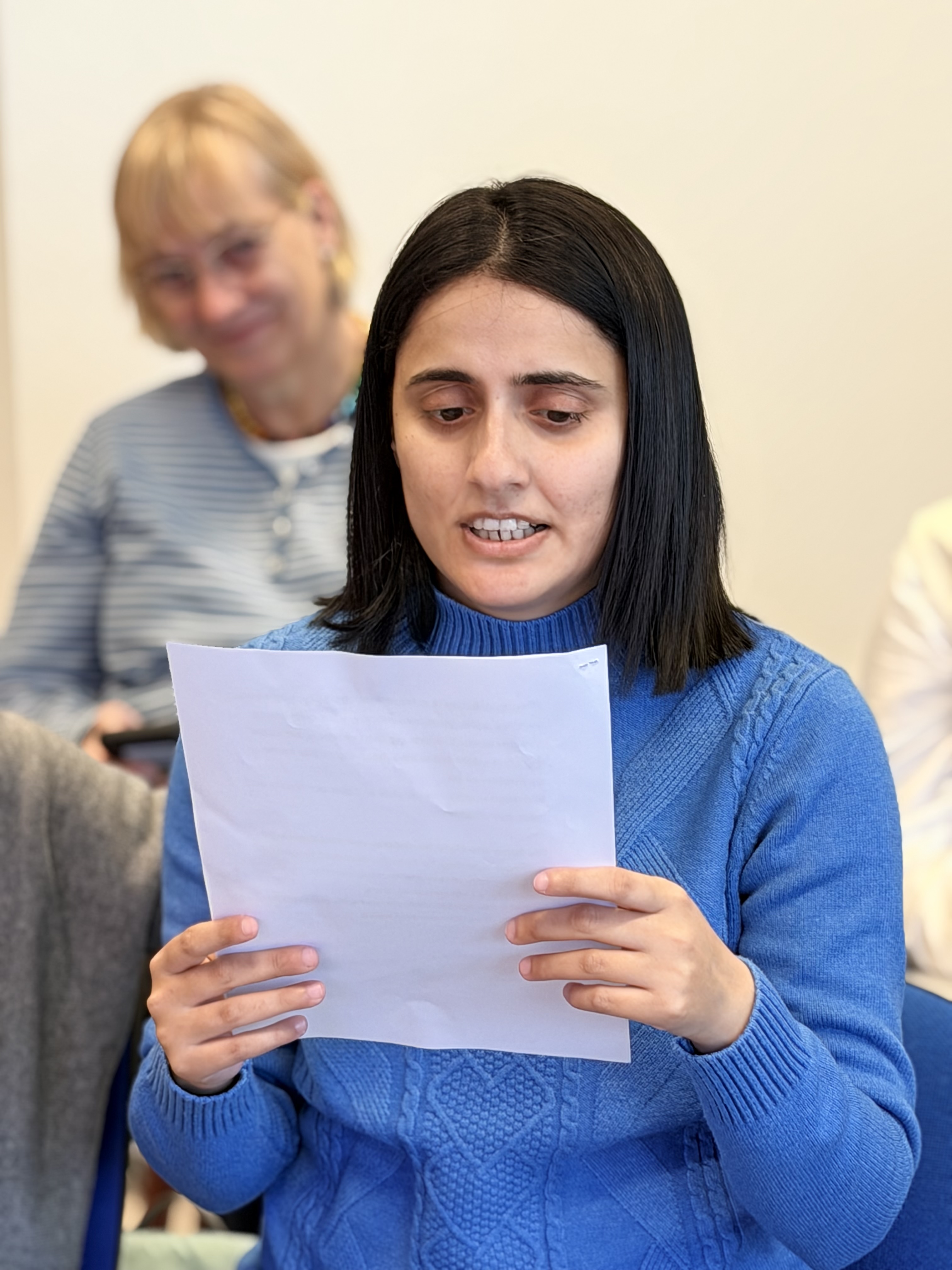
In Portugal, self-advocates spoke about the need for more visibility of people with intellectual disabilities. They shared their experiences and spoke about using their voice for greater inclusion. 3 self-advocates shared their experiences as women with intellectual disabilities. They reflected on how this had impacted their lives, and what needed to change. Women with intellectual disabilities experience heightened discrimination across nearly all areas of life, including healthcare, employment, and social inclusion. Portuguese self-advocates recognised these obstacles and worked to challenge them by sharing their own voices and lived experiences.
🇨🇾 Cyprus:
Self-advocates from Cyprus talked about the right to love and be loved. They said that relationships are as important for people with intellectual disabilities as for everyone else. In Cyprus, many families are still overprotective of their adult children with intellectual disabilities. Especially when it comes to romantic relationships. Stigma and cultural barriers hold people with intellectual disabilities back from living life the way they want to. “Family members and decision-makers must respect our right to love, to be loved and to choose our partners freely!” said Cypriot self-advocates.
🇮🇸 Iceland:
Jónína Rósa Hjartadóttir, self-advocate and committee member of Àtak, spoke about the education and media visibility workshops, that took place in Iceland. In Iceland, less funding for education has impacted one of the only university-level programmes for people with intellectual disabilities. Now higher education in Iceland has become mostly inaccessible again, and people with intellectual disabilities are restricted from accessing their right to equal education. Equal education is key for inclusion and social as well as economic participation. Media visibility was discussed as a possible solution to bring attention to this problem.
🇪🇺 Other countries:
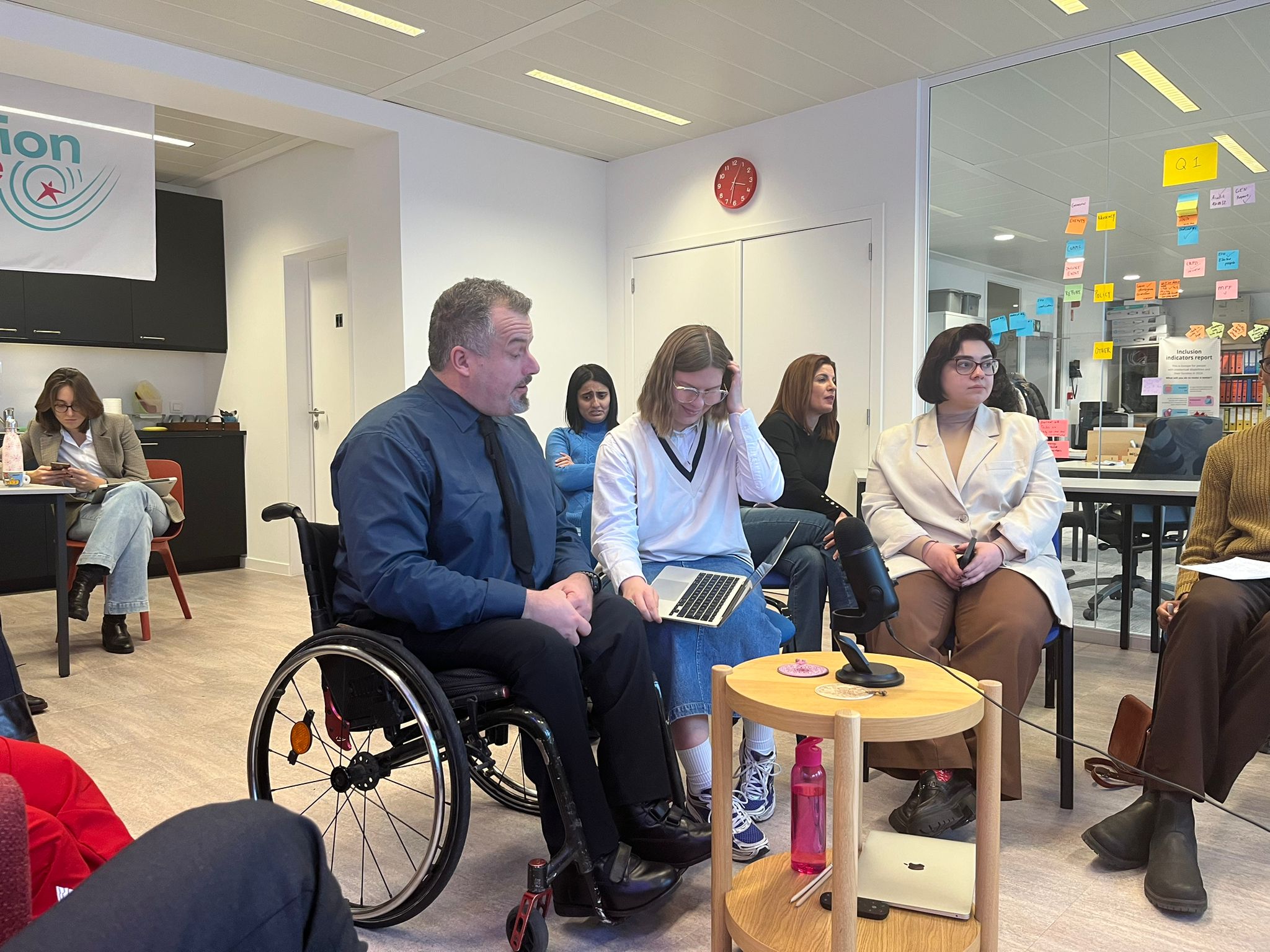
Soufiane El Amrani gave an overview of the many other Hear Our Voices! events that took place in Belgium, Armenia, Austria, Italy, and other countries. Mr. El Amrani presented some of the main takeaways from these events:
- the need for easy-to-read and understand information,
- funding for deinstitutionalisation and community-based support,
- the importance of supported decision making.
Mr. El Amrani ended by acknowledging the good work of all members and the strength of the European self-advocacy movement.
Shared issues and messages
After the presentations, self-advocates asked each other questions. They recognised many of the same problems accross the different countries. Their messages to European decision makers were clear and united:
- People with intellectual disabilities want to make their own decisions and be treated equally.
- Independent living must be a priority. This means supported housing,personal assistance, and easy-to-understand information must be available, accessible, and affordable for people with intellectual disabilities.
- Close institutions now. Support people to live in the community.
- People with intellectual disabilities want real jobs with fair pay.
European leaders must make sure that all people can exercise equal rights, have access to the services they need, and participate fully in all parts of life. That requires not only nice words, but real action.
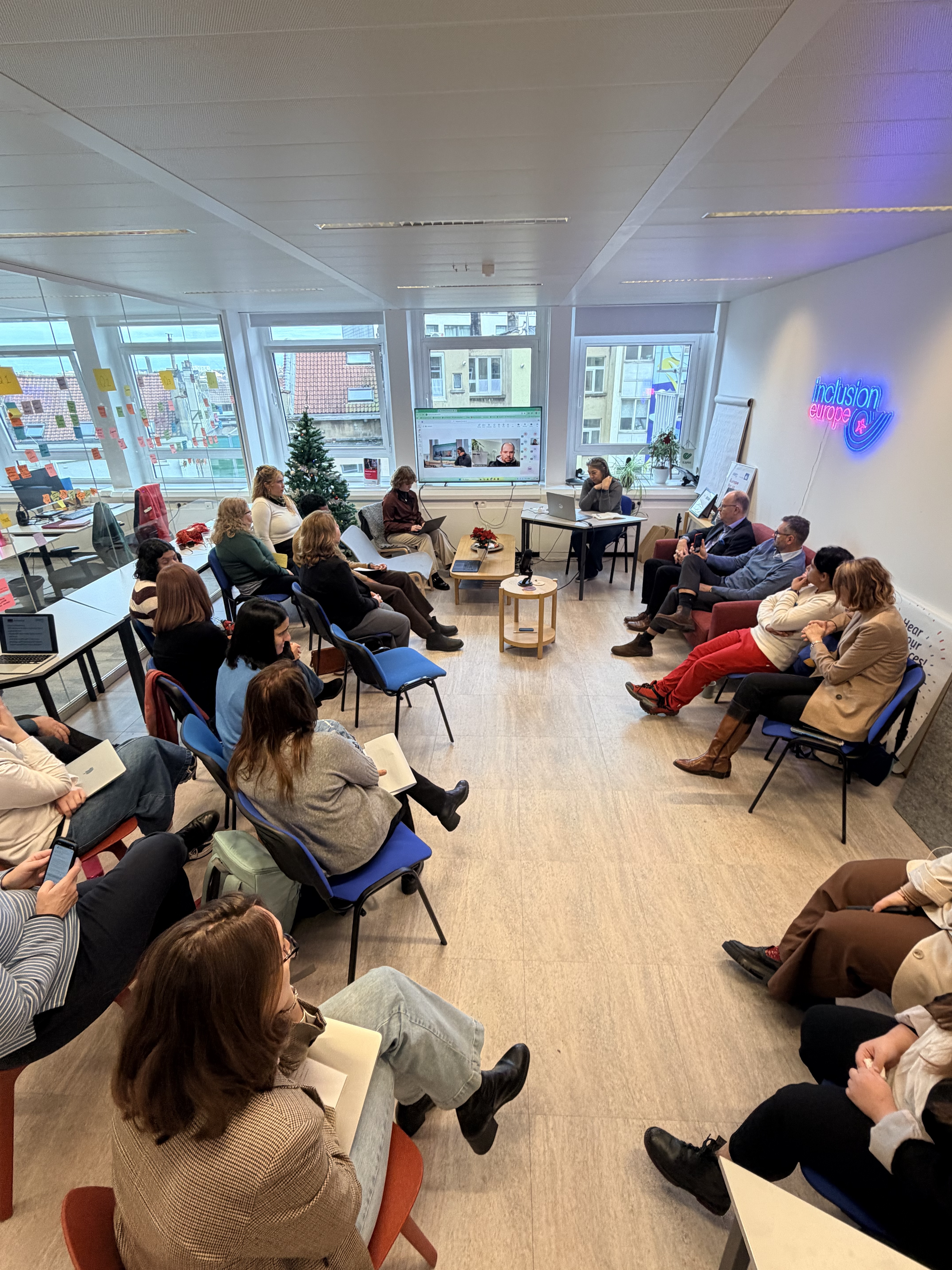
Thank you to all the self-advocates and organisations that participated and were present. Your hard work made Hear Our Voices! a true success.
See also: