How we work together to close institutions and to strengthen self-advocates in Eastern Europe.
The first year of the JUDY project has been a journey of change, bringing together self-advocates, families, and professionals to help close institutions and ensure people with intellectual disabilities can live in their communities with the right support.
Learning to lead and to speak up
Over the past year, the JUDY Project parnters organised or took part in 79 training sessions, workshops, meetings and events, involving more than 800 people.
These events included self-advocacy trainings, supporter workshops, collaborative planning sessions, meetings with decision makers, group discussions and other opportunities to meet, learn and talk about self-advocacy and deinstitutionalisation.
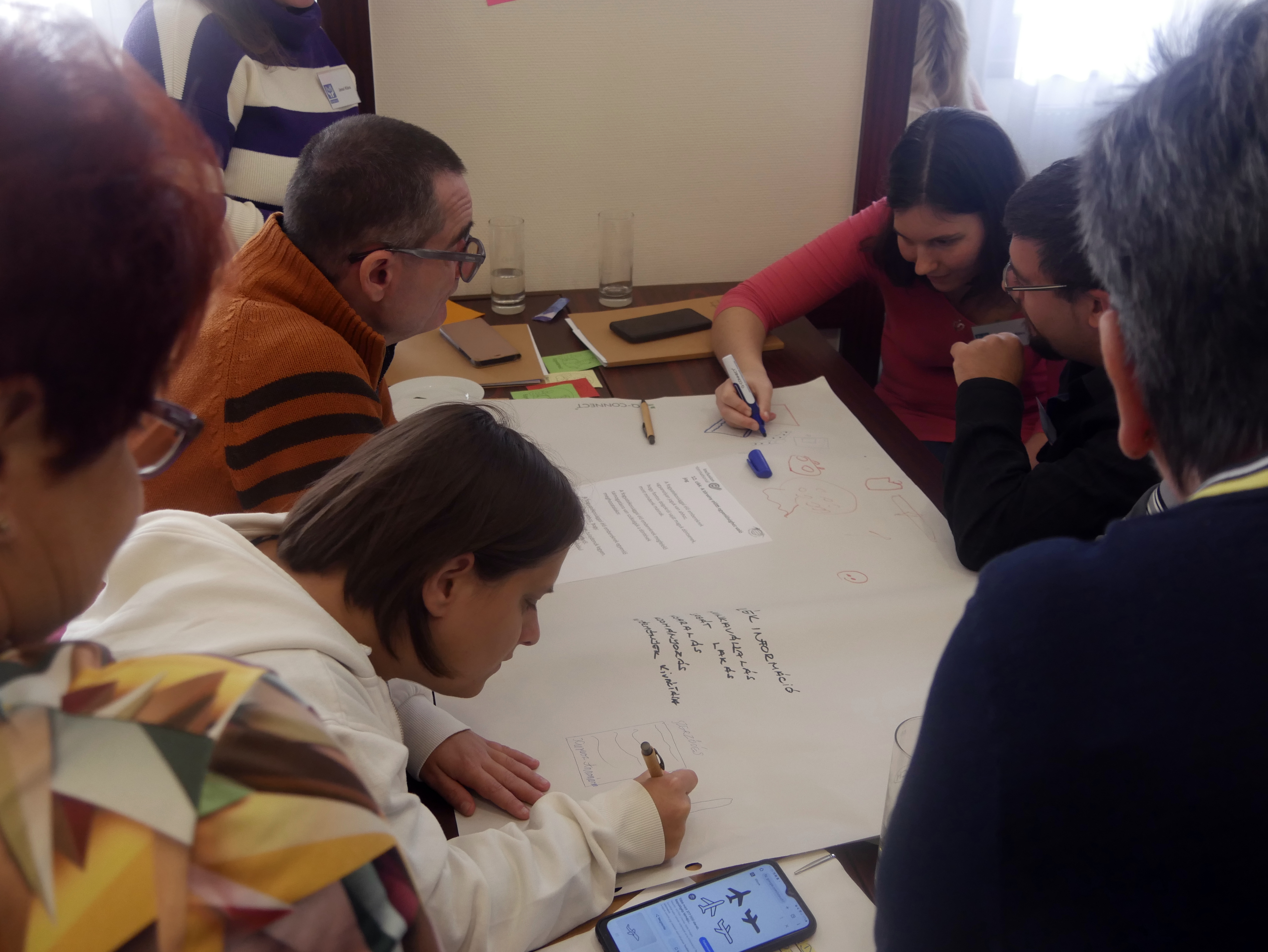
Trainings and workshops
In Slovakia, a workshop brought together 30 self-advocates from different cities to learn about standing up for their rights and the process of deinstitutionalisation. Many participants left inspired to take on leadership roles, saying they wanted to be the voice of others in their communities.
A three-day training in Hungary brought together 19 self-advocates and 17 supporters to learn practical advocacy skills.
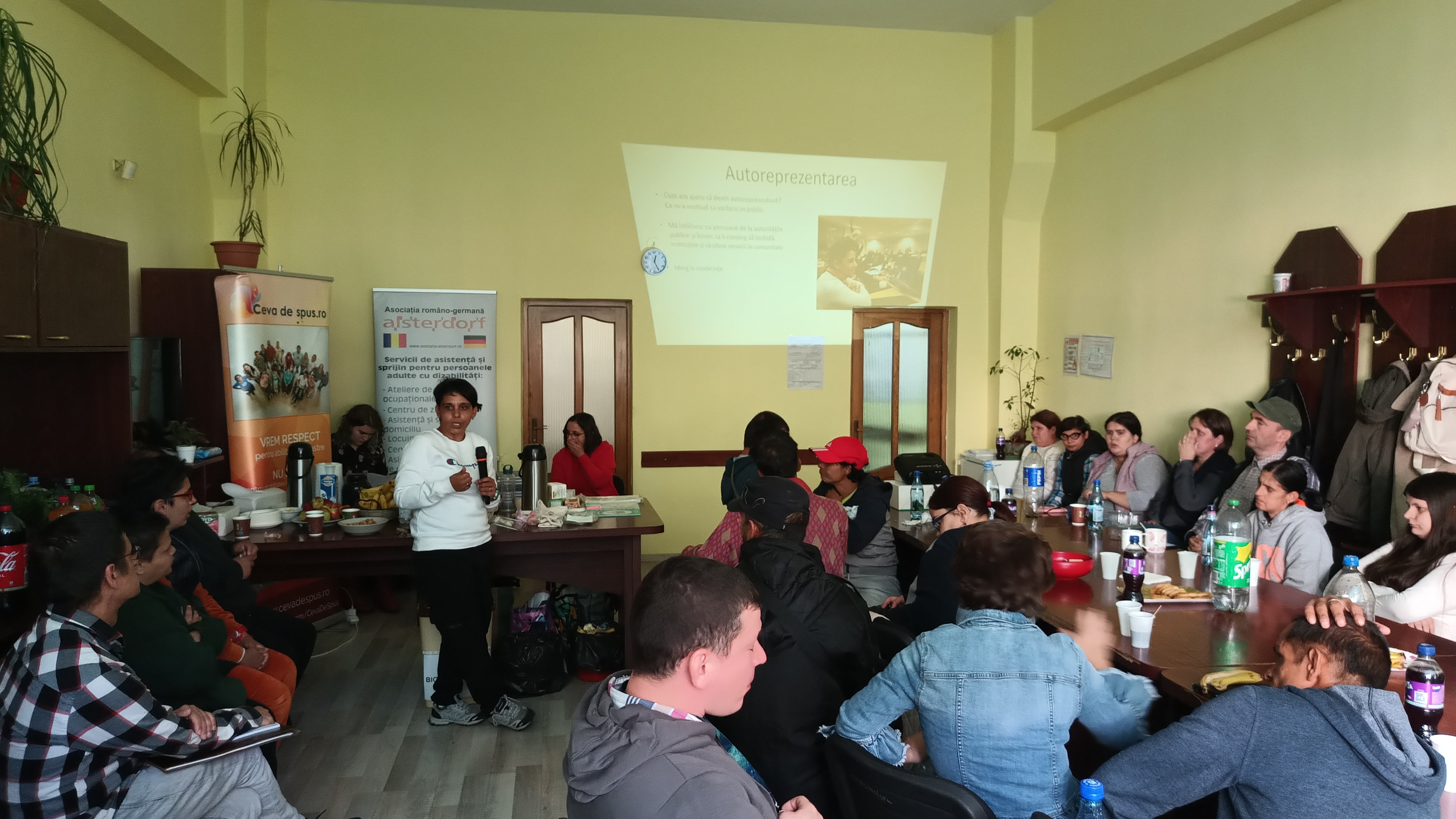
In Romania, a training in Oradea brought together 30 participants, with self-advocates leading sessions and sharing their personal stories.
In Albania, 14 self-advocates attended their first training, learning how to confidently speak for themselves and share their experiences. Another training introduced 10 self-advocates to the fundamentals of standing up for their rights, with one participant reflecting, “I learned how to share my story and help others do the same.”
In Bulgaria, 35 self-advocates took part in 5 advocacy events, were they talked about community living and self-advocacy.
Advocating to end segregation
Self-advocates played a key role in advocacy events, engaging with politicians, policymakers, and community leaders to push for change.
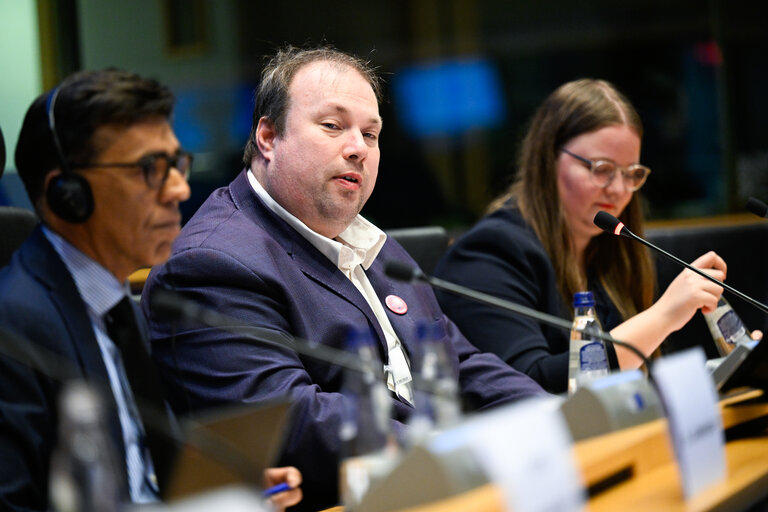
Hungarian self-advocate László Bercse spoke in the European Parliament, calling for action to close institutions and promote independent living: “I ask the Parliament to end segregation. Everyone deserves the chance to live in their community.”
In Romania, self-advocates met with local authorities to demand the creation of human rights-focused social services. “Speaking with the mayor and the local authorities was very important because we showed them that people with disabilities have ideas and solutions for the problems in our community,” said Elisabeta Moldovan.
In Bulgaria, advocacy events involved 35 self-advocates and engaged 6 government officials and representatives from local authorities.
Engaging families and policy-makers
Family members have also played an essential role, with over 75 family members participating in activities like roundtable discussions and advocacy meetings.
In Slovakia, 22 family members joined a dialogue about planning for the future of people with intellectual disabilities, addressing tough questions about what happens after parents are no longer there to provide support.
Supporters and professionals were important to the project’s success, with more than 300 professionals and government representatives participating in training, planning sessions, and advocacy events.
Campaigning for inclusion
The project’s communication campaigns amplified the voices of self-advocates. In Hungary, three videos featuring self-advocates discussing their experiences had over 61,000 views and inspired countless people.
In Slovakia, a magazine issue focused on self-advocacy was distributed to over 2,000 readers, spreading awareness and encouraging more people to join the movement.
Self-advocates’ leadership
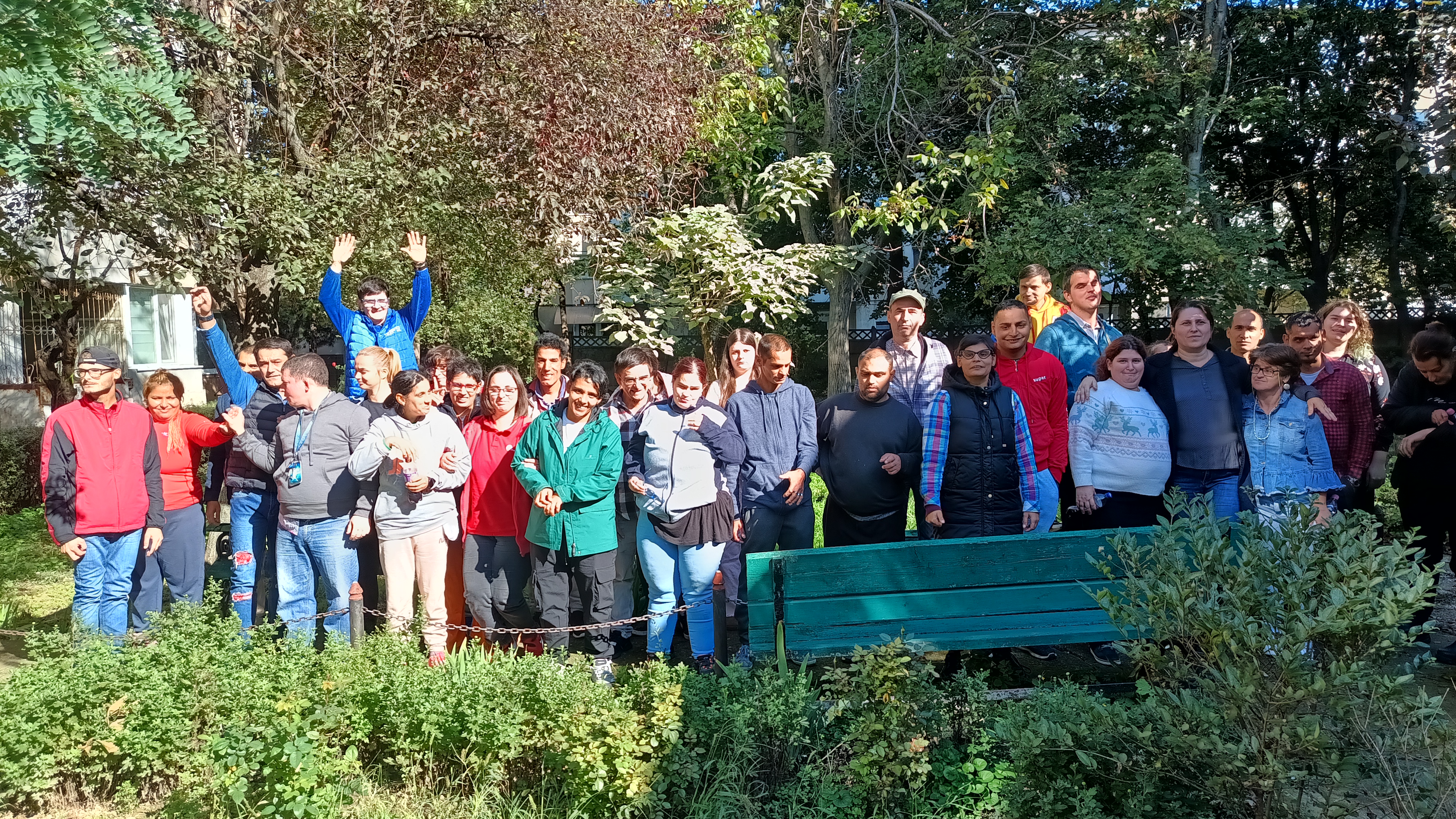
Over 330 self-advocates have been involved in the project, many of them stepping into leadership roles for the first time.
“By sharing my story, I realised I can inspire others. I want to do more to make a difference,” self-advocate from Slovakia said.
From facilitating sessions to addressing policymakers, self-advocates are demonstrating the impact of lived experiences.
See also: Quick look at deinstitutionalisation in Albania, Bulgaria, Hungary, Romania, Slovakia