New report reveals how 33 European countries perform on rights and inclusion of people with intellectual disabilities and their families.
New report shows what Europe looks like in terms of rights and inclusion for 20 million people with intellectual disabilities and their family members.
Read the Inclusion Indicators 2025 (PDF)
Key findings
Not being allowed to decide about ones’ life
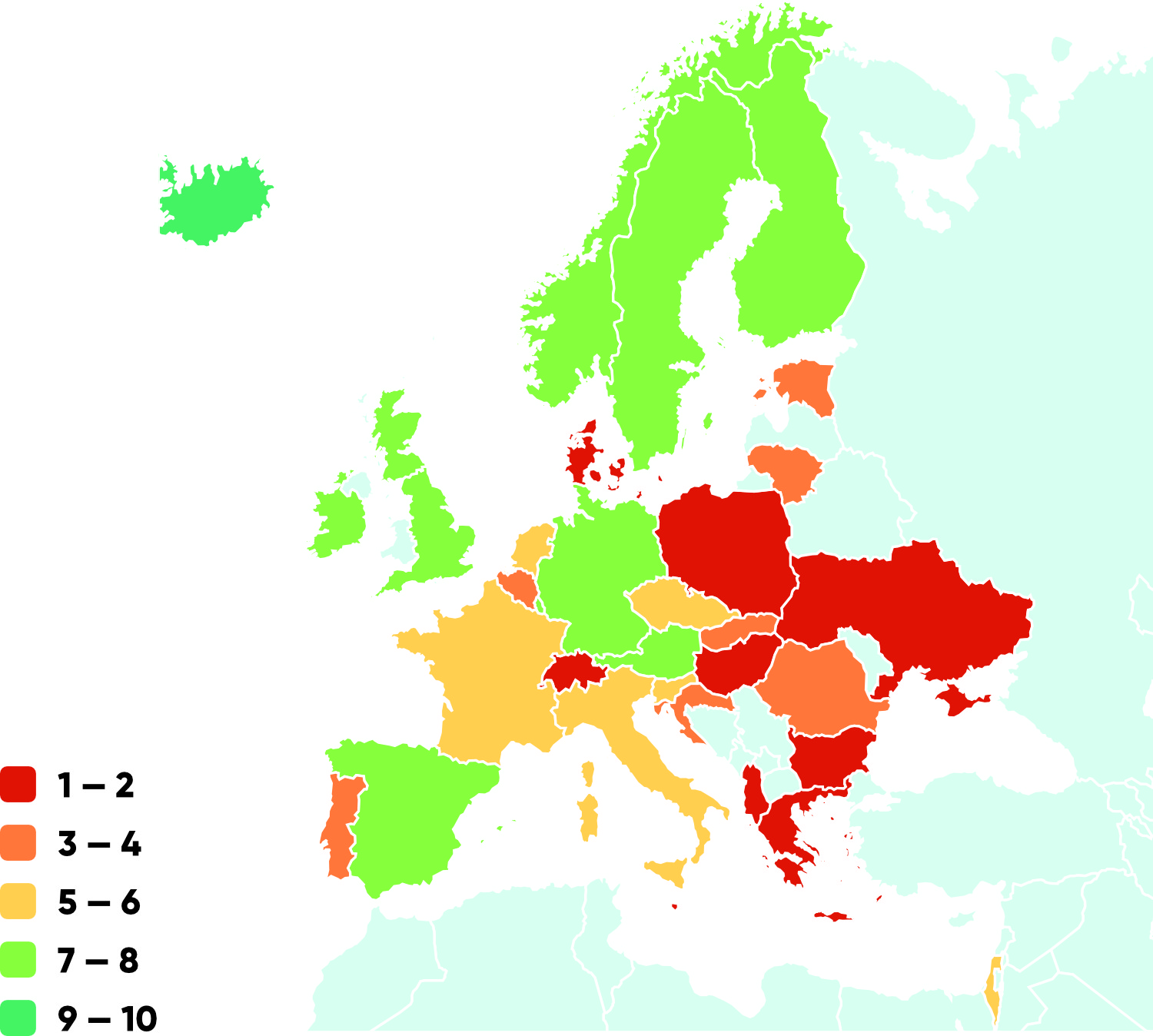
- In 14 countries legal capaciy can be fully removed and the right to decide is not respected.
- In 15 countries legal capacity can be partially removed and the right to decide is not respected.
- Only 4 countries fully respect the right to decide and provide supported decision-making.
- In 13 countries people can be denied the right to vote because their legal capacity was removed.
- In 14 countries people with intellectual disabilities are restricted from standing for elections.
- Only 5 countries have people with intellectual disabilities elected.
All of these are violations of people’s rights as protected by law signed by these countries (UN CRPD).
Segregated in harmful places
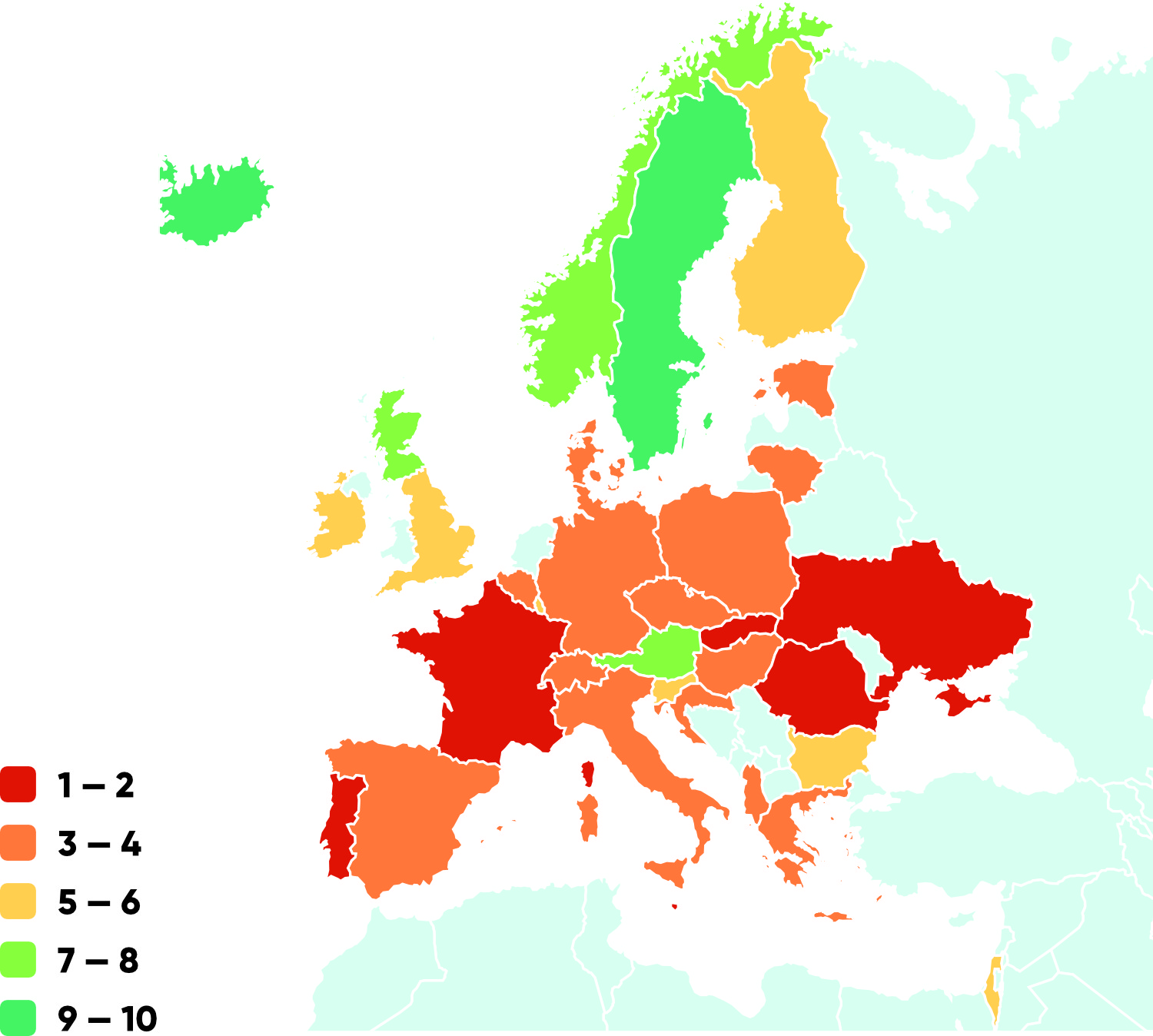
- At least 1.1 million people with intellectual disabilities are in segregated “care” institutions with more than 10 people.
- At least 350,000 people with intellectual disabilities live in small care homes (EU: 270,000).
- Over 37,000 people with intellectual disabilities are placed in psychiatric hospitals.
- Institutions have been closed in at least 7 countries this year.
No place to live, support left for families to provide
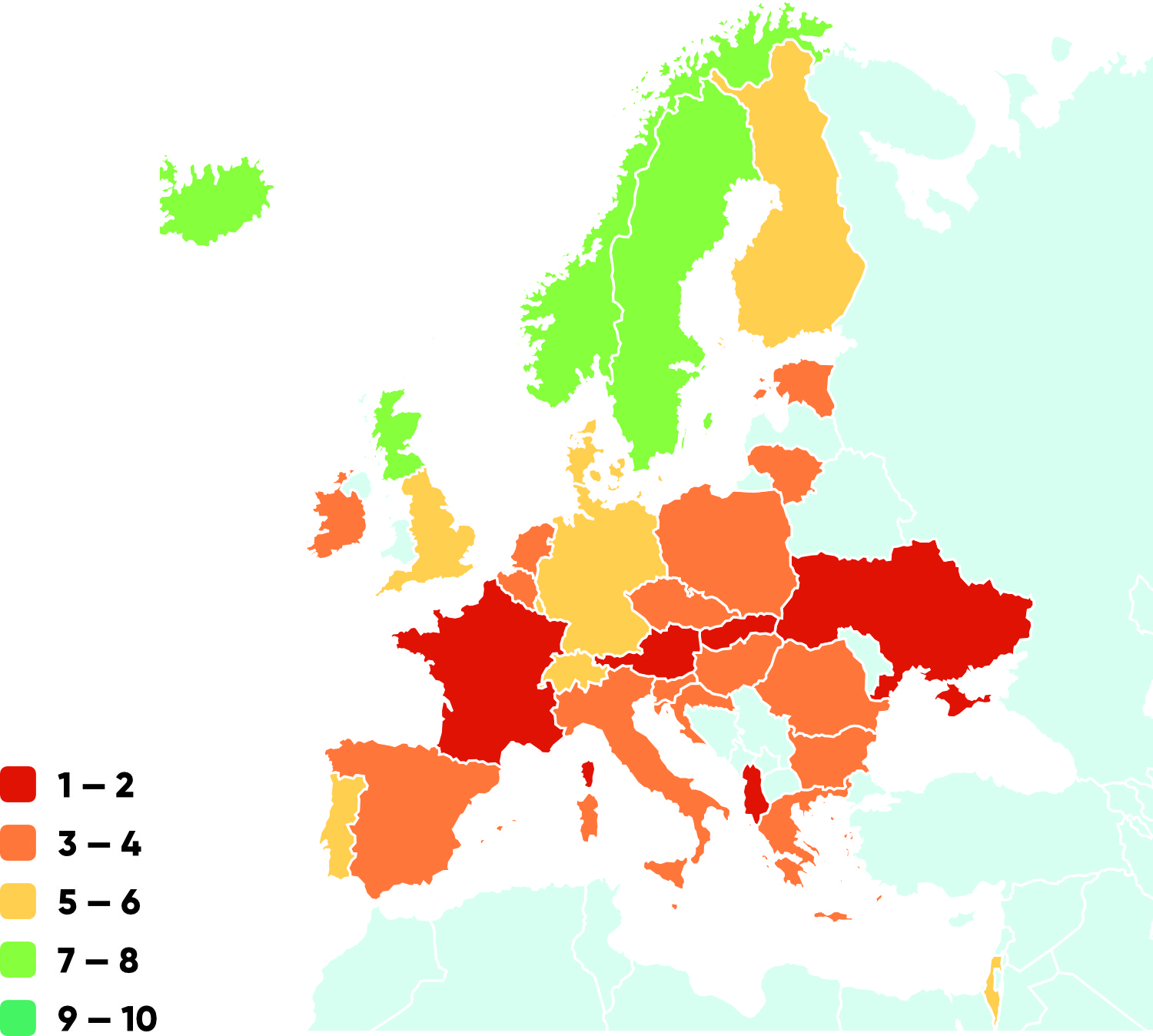
- In 17 countries most adults with intellectual disabilities live with their families.
- In 27 countries few or no adults with intellectual disabilities live in their own place.
- In 28 countries people with intellectual disabilities are likely to move into an institution once parents can no longer support them.
Education on a good path
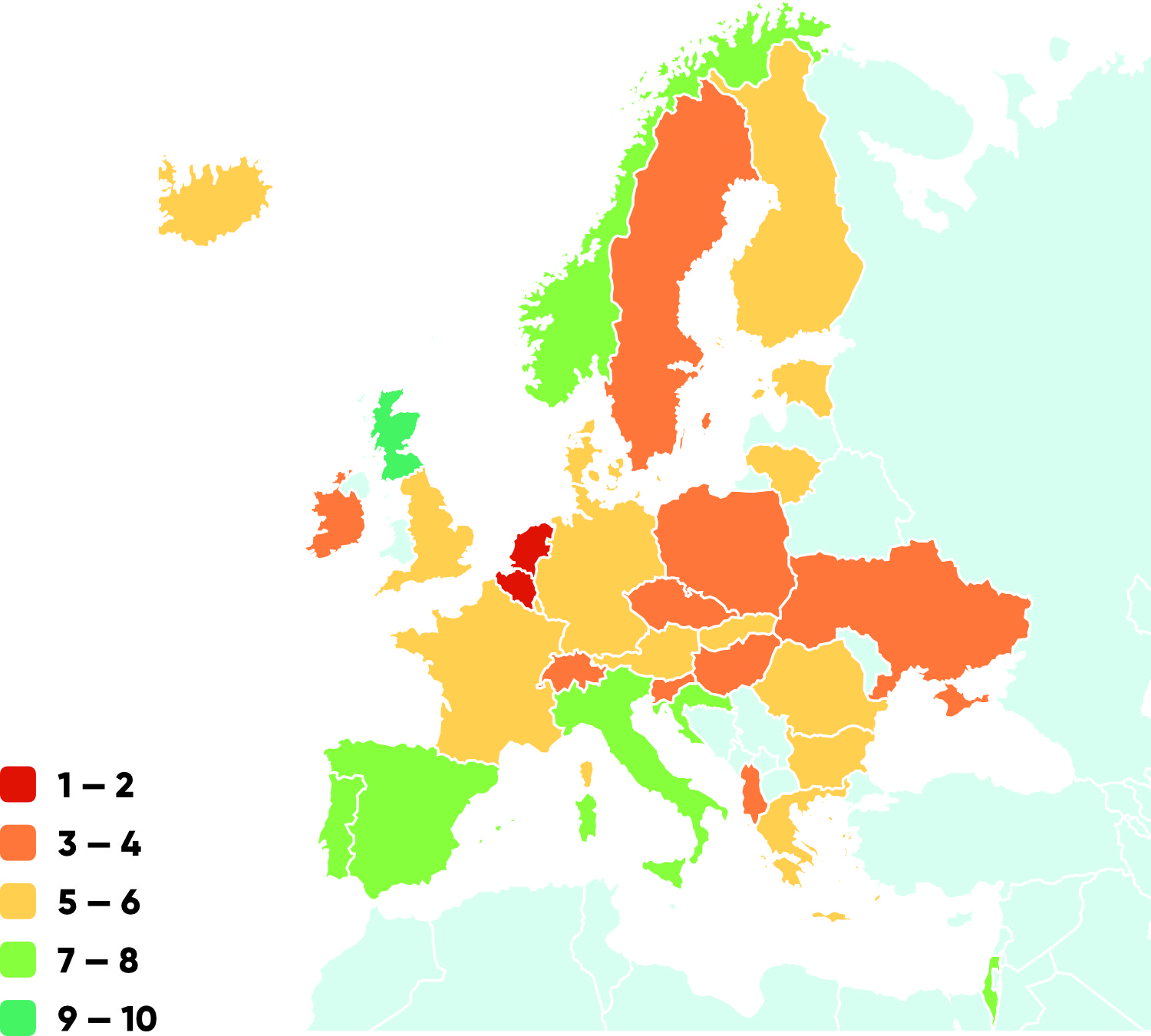
- At least 660,000 children with intellectual disabilities are in special schools in Europe.
- Many countries report large numbers of children receiving no or very few school hours, or no education at all.
Lack of employment opportunities
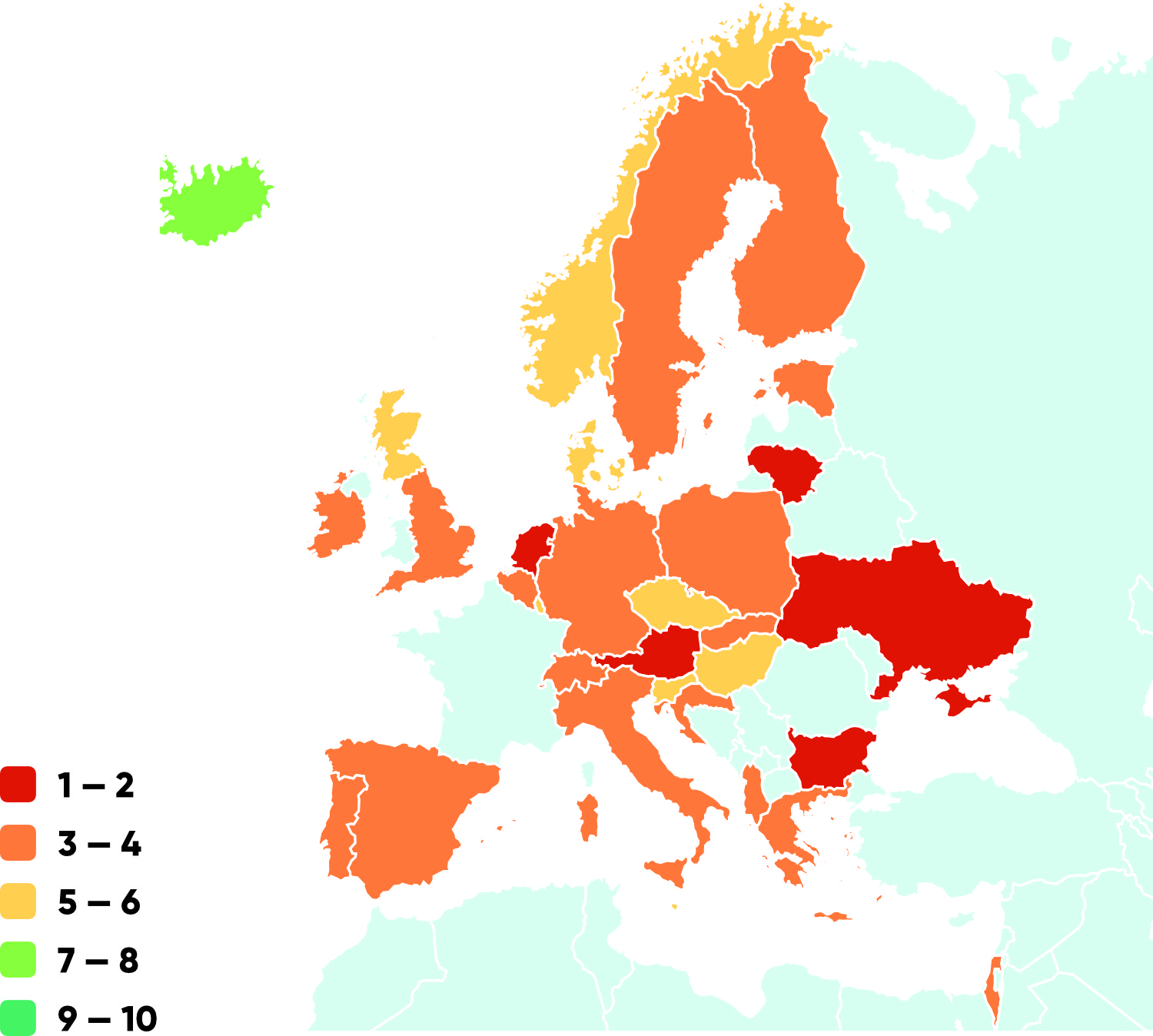
- In 29 countries few or no people with intellectual disabilities are employed on the open labour market.
- In 21 countries people risk losing disability benefits when they earn their own salary.
- In 17 countries there is funding for employers to make jobs more accessible.
- In 12 countries people working in ‘protected employment’ earn less than the minimum wage.
Information on health and healthcare is often complicated
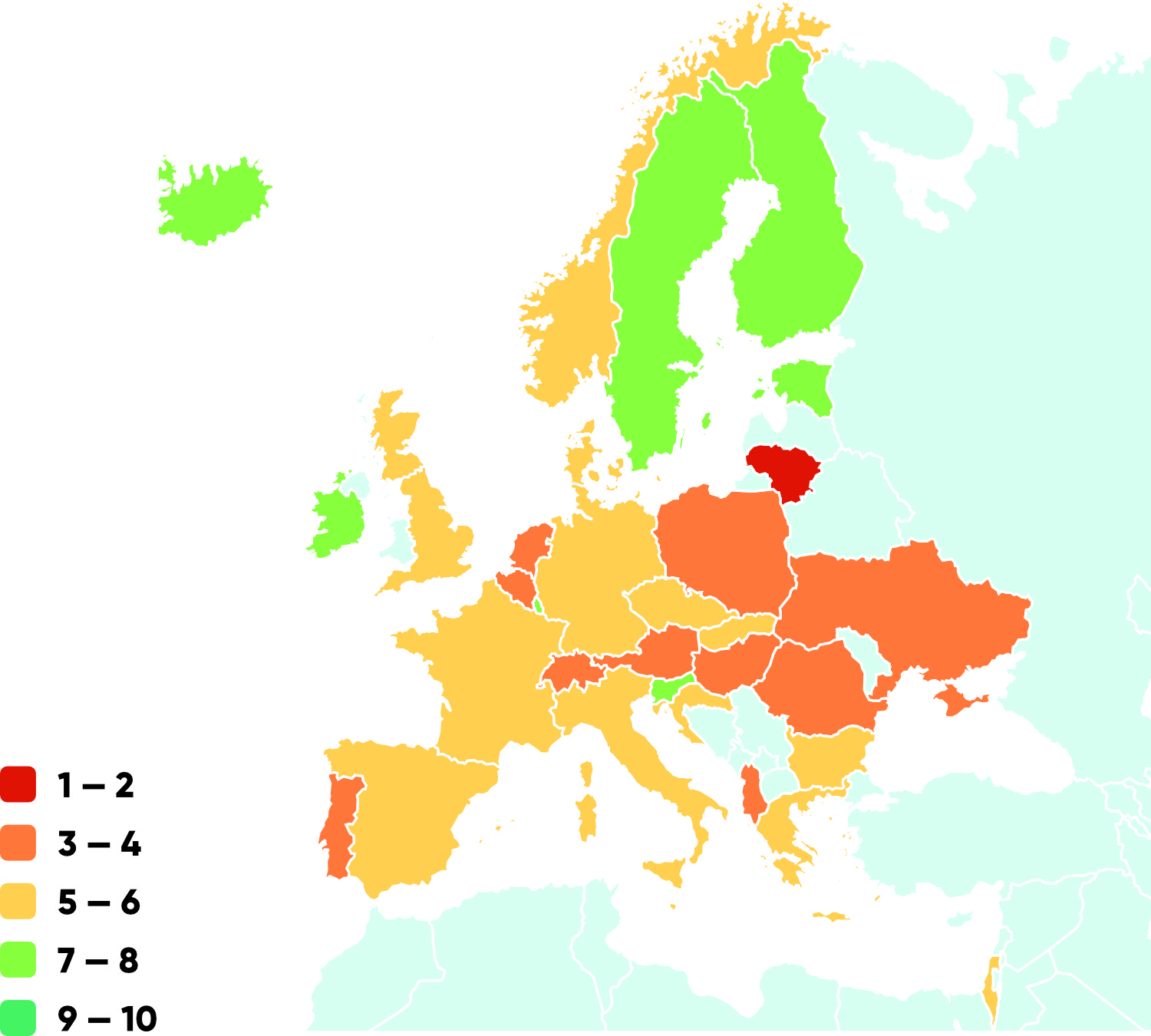
- In 26 countries most people with intellectual disabilities have access to general healthcare.
- In 13 countries people have no or very little freedom of choice in reproductive health.
- In 11 countries forced sterilisation is still performed.
Advocating for their rights, views and expectations
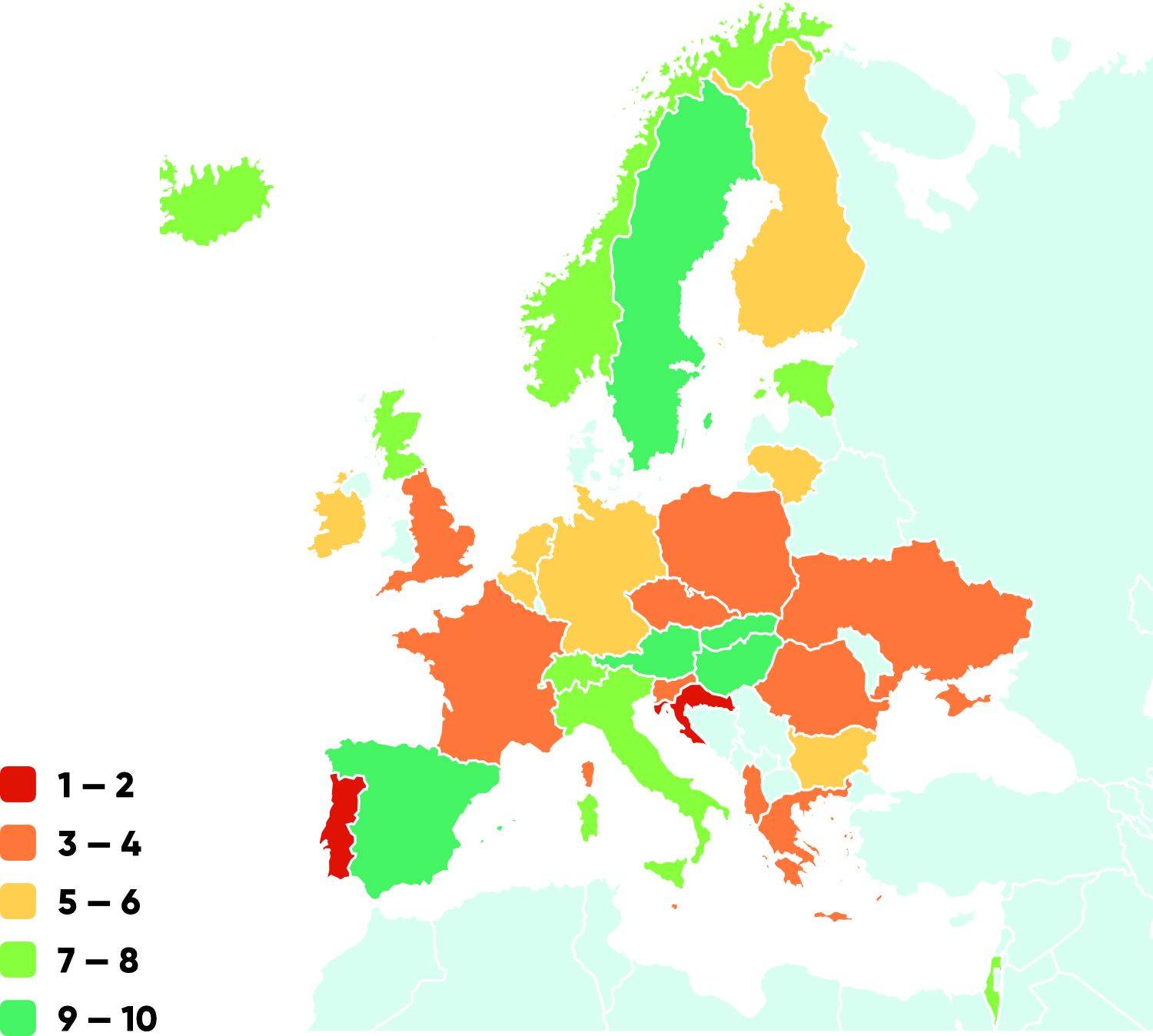
- In 26 countries people with intellectual disabilities are represented in a national cross-disability organisation.
- In 26 countries there is no person with an intellectual disability on the council/board of the national cross-disability organisation.
- In 11 countries member organisations do not receive government funding for advocacy work.
Extra survey on housing and support
15 countries answered and extra survey on housing and support. Overall they reported 5 main problems.
Institutions still exist
There are very few housing options. Institutions are often the only option. Instead of closing, many institutions are still open. Some institutions are even getting bigger.
Families are not supported
Families still give a lot of support and care. But they don’t get much help, money, or information. This creates a lot of responsibility and stress.
There is not enough money
People with intellectual disabilities don’t get enough money to support themselves. Sometimes, they even get less money if they work or live with someone who has a job.
Differences in small towns and in cities
People with intellectual disabilities in small towns have fewer choices. Cities can sometimes have more support for people with intellectual disabilities than small towns. That is not fair.
Monitoring does not work
Governments need to check if services respect rights. This often does not happen.
Read the Inclusion Indicators 2025 (PDF)
Go deeper
2024
- Inclusion Indicators online overview
- Inclusion Indicators 2024
- Housing for people with intellectual disabilities