Humanitarian and development organisations need to work much better to include people with intellectual disabilities.
Soufiane El Amrani spoke at the European Regional Disability Summit, organised in Berlin on 6 December 2024.
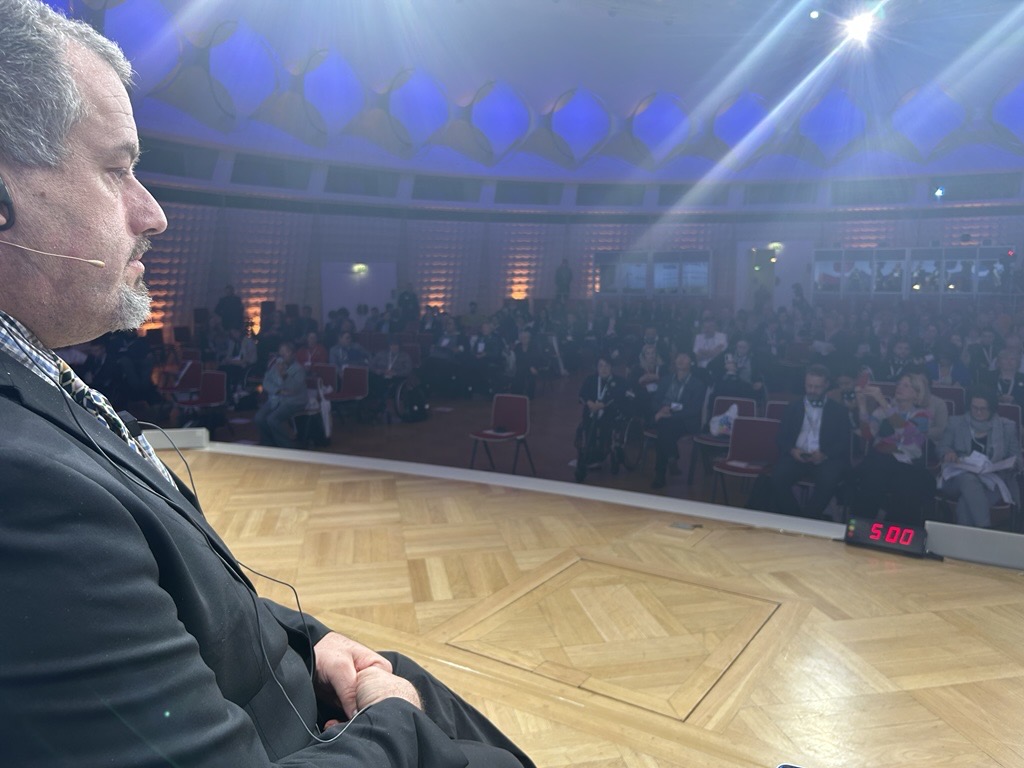
Soufiane was asked 3 questions during his panel. This is what he said:
Inclusion Europe participated in our consultation meetings this spring, with the different Organizations of Persons with Disabilities. Why is it important for self-advocates to be involved in these discussions?
Because our voices need to be heard, and we should not be left out of important meetings.
We need to be able to share our views and expectations. Being in the room also means people can share their experiences and what their organisations are working on.
Being in these meetings means we can learn from others.
That is why these discussions need to be accessible and have easy-to-read information. People need to speak slowly, and if they have to use difficult words they should explain them.
It is often the case that people with intellectual disabilities, and their families, are excluded from meetings where decisions on important topics are made. Decision on topics that directly impact their lives.
When we are not in the room, it makes it easy for decision-makers to overlook us, to ignore what we have to say and what we expect.
A report by Inclusion International showed that people with intellectual disabilities are excluded from nearly all projects funded by official development assistance.
- Basically zero official development assistance between 2014 and 2018 included people with intellectual disabilities.
- One third of it was not CRPD-compliant, contributing to segregation and other human rights violations.
- Only 2% of aid relevant to people with intellectual disabilities and their families was delivered through organisations of persons with disabilities.
What are Inclusion Europe’s recommendations on international cooperation and humanitarian action?
Most importantly, people with intellectual disabilities need to be part of the discussions where decisions are made. This means also having money available to support participation of self-advocacy organisations and groups.
International cooperation and humanitarian aid need to specifically focus on issues important to us, for example:
- supporting people to make decisions,
- better access to education,
- good support.
Inclusion International asked their members from around the world about this. They said:
- Humanitarian organisations should work better with organisations of people with intellectual disabilities.
- Humanitarian organisations need a better understanding of how to work with people with intellectual disabilities.
- Humanitarian organisations should use resources developed by local organisations.
- Organisations of people with intellectual disabilities must be included from the very start in planning activities. Not wait until the end “to make the project disability-inclusive”.
Our expectations are about what topics should be addressed, and also how organisations include people with intellectual disabilities in their work.
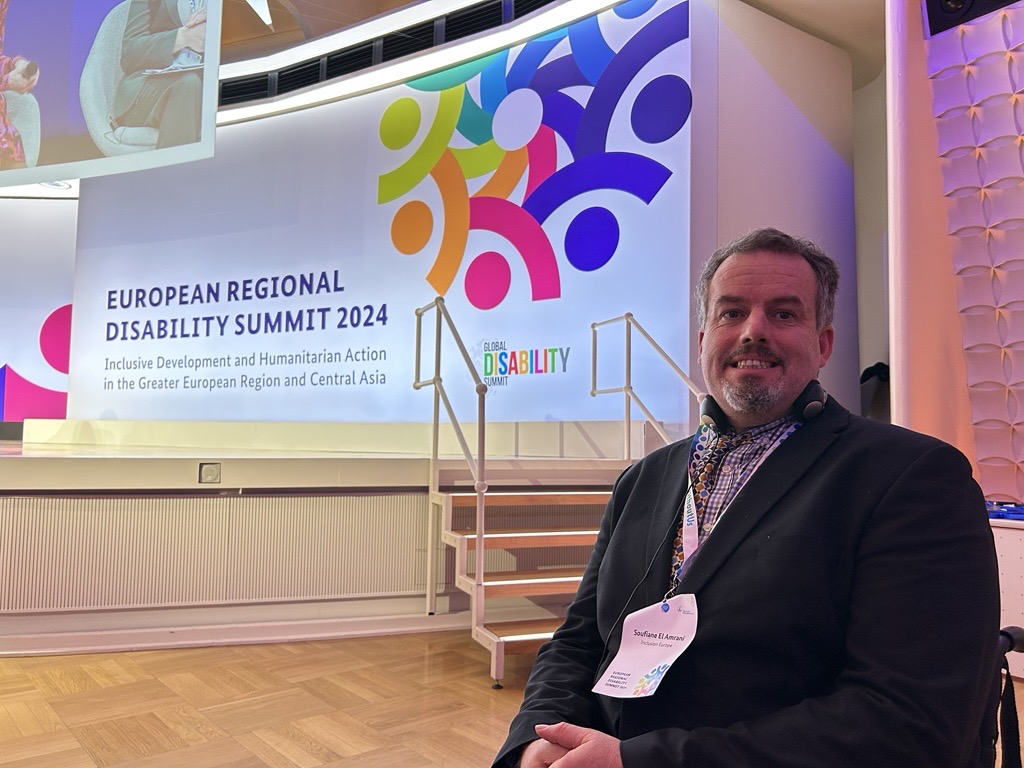
What are your hopes for this Summit?
My expectation would be that people who make decisions about international cooperation and aid take note of what we just talked about.
That they use their work to improve the lives of people with intellectual disabilities: For example with inclusive education, or with good disability support.
And also support collaboration of their organisations so they can learn from one another, and make stronger advocacy.
I was very disappointed to learn recently that donors stopped funding regional organisations in different parts of the world. That’s unfair to people with intellectual disabilities and their families who need to have their voice hear.
It is not only about what they should do, but also about what they should not do: They should not give any money to places that segregate people with intellectual disabilities – like “care” institutions.
And as I said, they need to work much better to include people with intellectual disabilities in making decisions on international policies and aid.
Learn more about:
- European Regional Disability Summit, December 2024
- Global Disability Summit, April 2025
- Inclusion International and their work around the world.
Read also: Soufiane’s speech at Global Disability Summit in April 2025