László Bercse is the Chair of the European Platform of Self-Advocates and Vice-President of Inclusion Europe. This is what he said during our event in the European Parliament:
Ladies and gentlemen. Welcome!
It is my pleasure to be here with all of you to talk about what people with intellectual disabilities and families need and expect from Europe.
I want to thank MEP Cynthia Ní Mhurchú for hosting this event. It is great to have your support.
It is important for us to be able to come to the European Parliament and tell about the situation of people with intellectual disabilities and their families.
We are here during the Parliament’s Disability Rights Week. And we bring our views and expectations of what the EU should do for full rights and inclusion of people with intellectual disabilities.
Self-advocates in many countries organised meetings and events in the past months to talk about what matters to them. These meetings were called Hear Our Voices!
Now, we bring here to the European Parliament what self-advocates talked about in their countries. We want to be seen. We want to be heard.
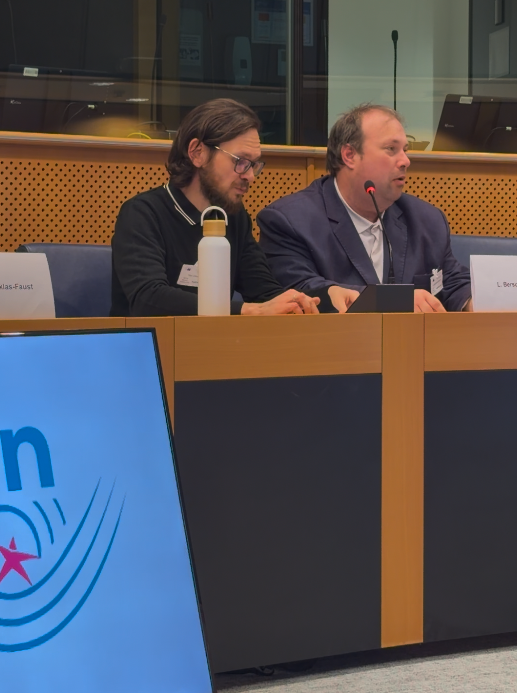
I am happy to see so many self-advocates from different countries here today. And I am looking forward to hearing what you have to say.
We will also hear from family members, who are often the only people providing support to us.
And we will hear about what the situation is in Europe, with the new Inclusion Indicators report.
There will be some good things. But mostly, what we will hear about difficulties from all over Europe, and that need to change.
In many countries our rights are still limited. Many people with intellectual disabilities face barriers because of harmful and outdated laws and policies, such as institutionalisation.
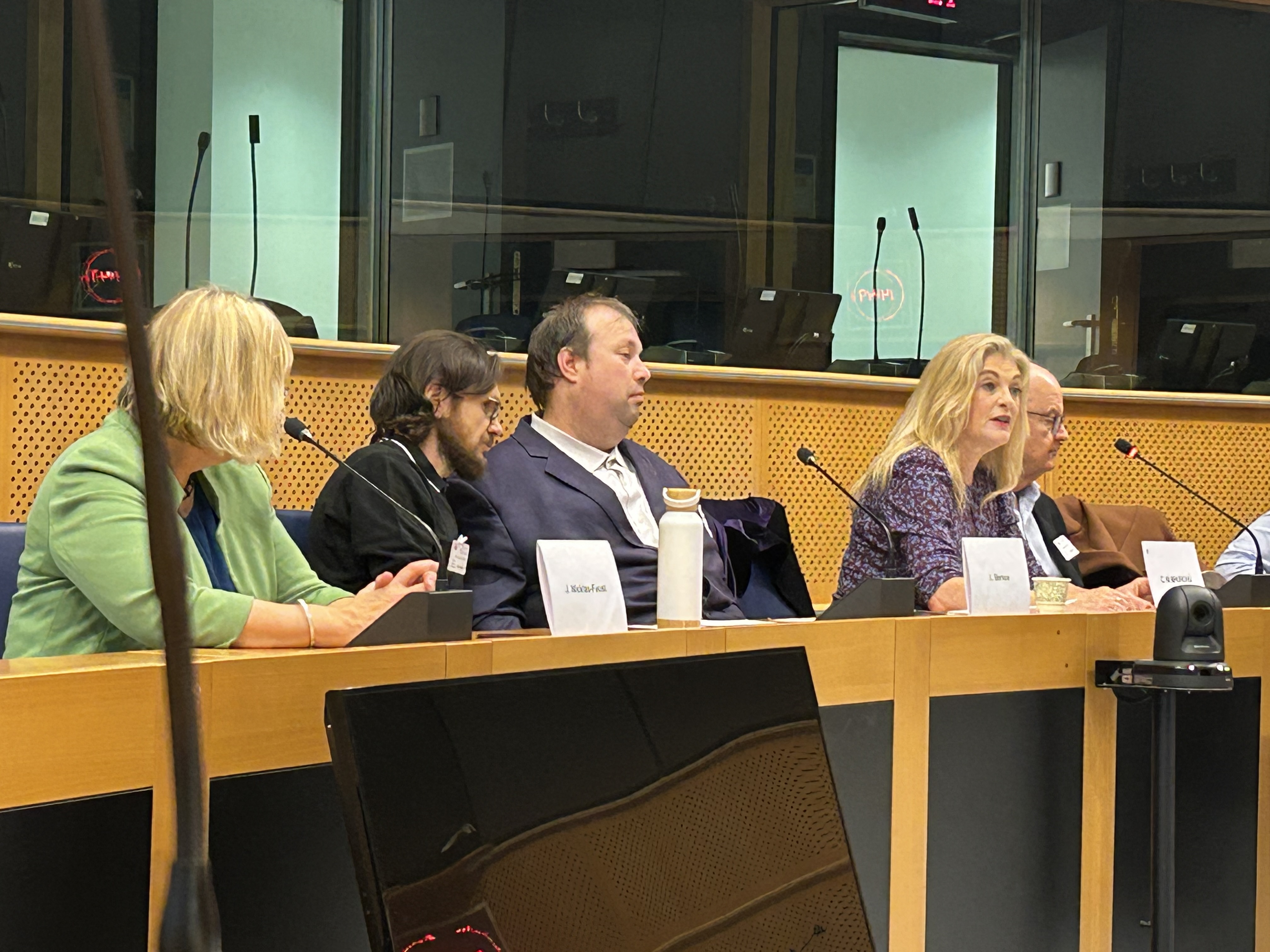
I was happy to see that the European Parliament approved a good document about the Disability Rights Strategy last week.
Now, we expect the European Commission to take it into account, together with the views of disability organisations, and create a good set of actions.
Actions that will help Europe make progress on issues like deinstitutionalisation, education, or jobs.
Actions that will also answer to the issues that matter to you in your countries, and that you will talk about today.
Rights of people with intellectual disabilities must be respected. Everywhere. All the time.