



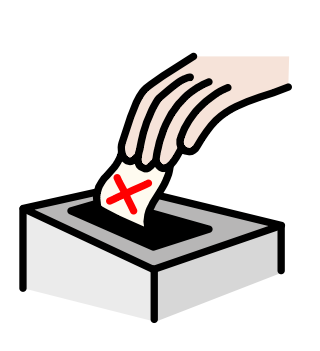


There are still voting restrictions in several EU countries, especially for persons with intellectual disabilities.
Inclusion Europe published a video about voting rights for people with intellectual disabilities under guardianship in Europe.
The UN Convention on the Rights of Persons with Disabilities reaffirms the right to vote and to be elected for people with disabilities. However, there are still restrictions in the European Union for people with intellectual disabilities.
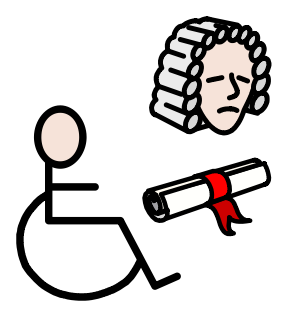
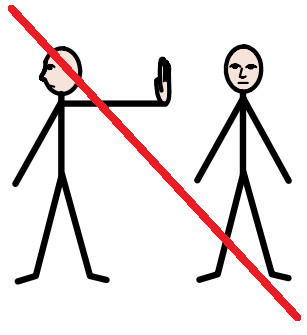
Whether a person with intellectual disabilities can or cannot vote is in many countries restricted based on their legal capacity and placement under guardianship. This is a violation of their rights.
In 2019, there were around 800.000 people from 16 Member countries that did not have the right to vote nor to stand for election based on their disability.
Based on the Inclusion Europe reaserch in 2023, among the 27 EU countries:
- 15 countries grant full voting rights for people with intellectual disabilities under guardianship:Ireland, Germany, Sweden, the Netherlands, Italy, Finland, France, Austria, Latvia, Spain, Slovakia, Slovenia, Croatia, Luxembourg, Greece.
- 8 countries grant limited voting rights for people with intellectual disabilities under guardianship: Belgium, Hungary, Malta, Portugal, Lithuania, Czechia, Romania, Denmark.
- 4 countries grant no voting rights for people with intellectual disabilities under guardianship: Estonia, Bulgaria, Cyprus, Poland.
The European Parliament voted a resolution in 2023 saying that people with disabilities, regardless of their legal capacity restrictions, should be allowed the right to vote. The EU strategy also mentions the need to improve the accessibility of the right to vote of people with disabilities and to be elected.
“There are more than 7 million people with intellectual disabilities and their families in the European Union. Our votes matter. Election campaigns must also target people with intellectual disabilities and their families. To reach us the political groups must talk and listen to us. Both elections and campaigns must be fully accessible.” — Jyrki Pinomaa, President of Inclusion Europe
The voting and accessability issue:
Voting rights for people with intellectual disabilities
Easy to read materials:
People with intellectual disabilities and access to elections