Hello from Brussels. It’s Milan writing.
This newsletter is about Inclusion Europe plans for the year, about what we are going to do together with you and others to support self-advocates and family members to speak directly with decision-makers, to bring data and insights into European policy-making, to collaborate for full rights and inclusion.
I could just start telling you what events we’ll organise and which reports we’ll write. About the work you can help us do this year, contributing your experience and expertise. But I don’t think simply listing upcoming work and getting on with business as usual cuts it anymore. (I’m not sure it ever did.)
Wherever I go, people tell me governments are cutting funding for organisations and for services. That means less opportunities for people to come together, to work together; to have good support and decent life. I hear of new institutions being opened, even in countries that did away with them decades ago. Of new laws that make it easier to provide bad services to people with intellectual disabilities. I read and watch the news…
I’m not writing this to add to that weight – I’m writing it to say: We are not alone. There are thousands and thousands of us who share the vision of full rights and inclusion. Who work for it, in all kinds of different ways. Who – yes – struggle with all that is going on in the world, both concerning people with intellectual disabilities, and in broader, political sense. But who come together in families or organisations, at local, national or any other level nonetheless. And who make things happen every day, making this world a better place.
I’m writing this to say that despite all the negative things, there are still good changes to laws, for example with legal capacity. There is very good support available in many places. There are a lot of people with intellectual disabilities and their families who have full and fulfilling lives.
There’s a big power in this movement. Both in what it has achieved and in how it comes together to achieve even more.
Let’s use that. Let’s build on past success (better legal capacity laws, inclusive education or good support for many, closed institutions in a lot of places…) and let’s use it to tackle the mountain of challenges that remain.
The world is constantly changing. New challenges arise when we haven’t fully overcome those that were already there. We need to adapt and react. We need to change some ways of working, while we stay committed to the mission of full rights and inclusion for all.
“Full rights and inclusion” isn’t a pipe dream. It’s a reality lived by many. That’s what gives this movement its power.
And when we use that power, the power of our vision and the power of those who live it daily, we continue to make this world a better place for people with intellectual disabilities and their families. And for everyone else, too.
That’s what Belonging (with Inclusion Europe) is to me. Let me know what you think.
This below is what we’re going to do this year to add the collective effort:
Events
Europe in Action.
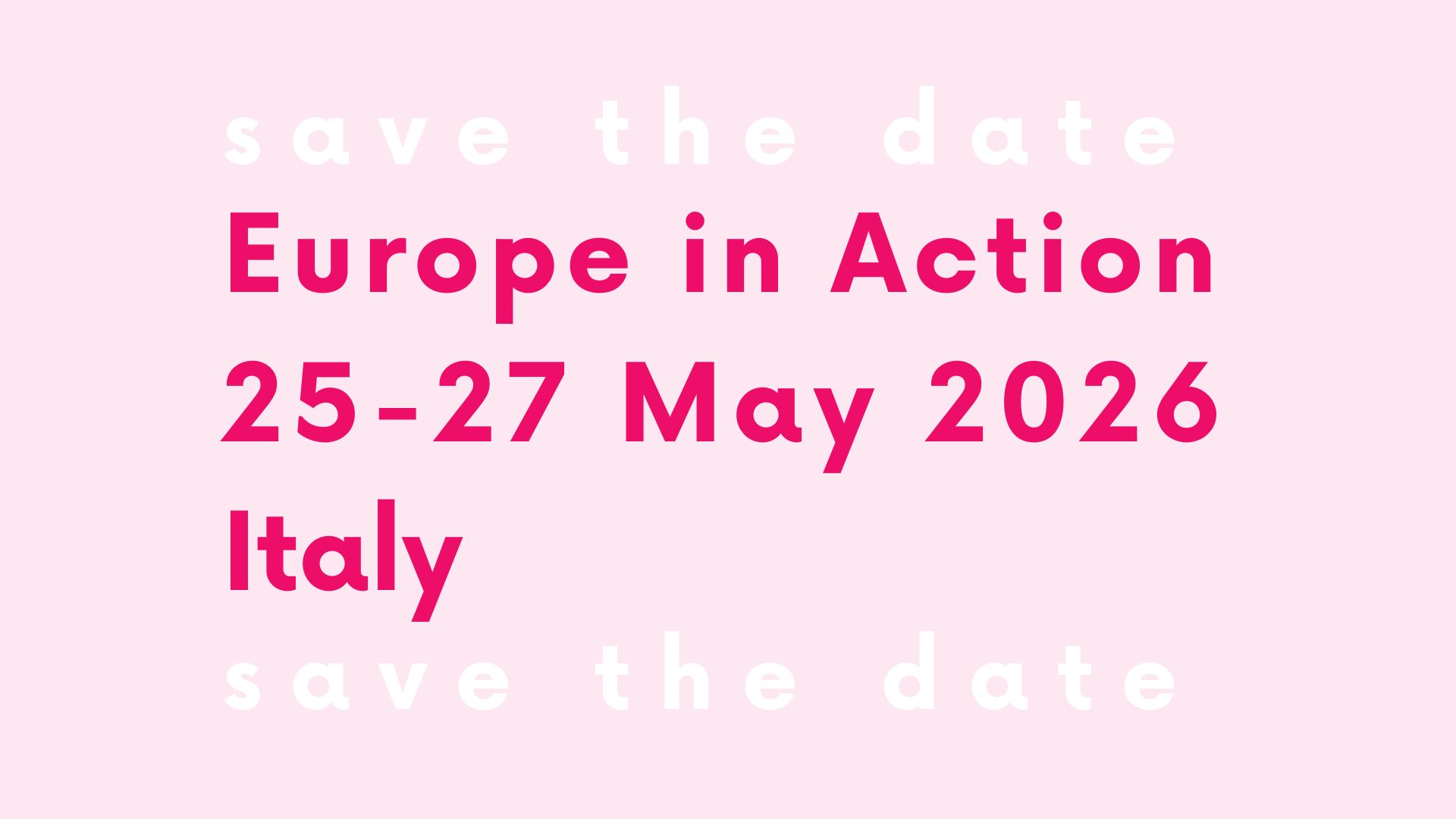
Everyone’s coming together in Vicenza, Italy, for the 21st Europe in Action conference. The conference takes place 25 – 27 May 2026. The conference is about “Individualised, personalised, and participatory life project”:
- Person-centred support: Support based on individual preferences, expectations, and life situations. No more “one-size-fits-all” approach.
- Different issues faced by people with intellectual disabilities and their families from the right to decide, access to housing and services, education, employment, and participation.
Registrations open next week. See you all there.
Online workshop about situation of people with intellectual disabilities and their families, and how Inclusion Indicators help in advocating for their rights. 10 February 2026. It’s part of the UNITY project.
There will be more UNITY project events, for example trainings about participation in politics in Portugal and Czechia, both in February.
In April, EPSA Steering Group comes together in Brussels to coordinate self-advocacy work, and to talk and learn about political participation. Contact Sandra if you want to learn more.
Hear Our Voices! online events bringing self-advocates together to share and learn. In June and in September. (Next in-person Hear Our Voices! conference will be in 2027.)
Summer school for self-advocates, in July. Four days of training about self-advocacy at European level. (There will be a training for family members in summer 2027.)
We are also constantly talking with our members and other people and organisations to learn about what works is being done and what issues you face. This week, Freddy had a meeting with members to learn about issues they tackle in their countries. Here’s his summary.
Reports, research and tools
Young families report. We’ve been talking with parents and siblings of children with intellectual disabilities. We are now putting together a report that will tell their stories, views, and what change needs to happen in different policies. The report will be out in March. Contact Inge to learn more or contribute.
Inclusion Indicators will continue to inform Europe about the situation for people with intellectual disabilities and their families.
We’ll publish new tools for advocacy and also about how to organise inclusive events.
We’ll be also doing some publications on sexual and reproductive rights this year. Contact Helena to learn more or contribute.
And of course, we’ll continue telling the world about what matters to people with intellectual disabilities and their families, about what issues they face, and about what change needs to happen in the world.
It means campaigns on Instagram or LinkedIn, it means Inclusion Europe Radio podcasts, or the Europe for Us easy-to-read magazine.
It also means going to all kinds of conferences (we usually do more than 40 every year) organised by different organisations in different countries.
Or getting our message into the media, in different formats or languages.
President’s letter
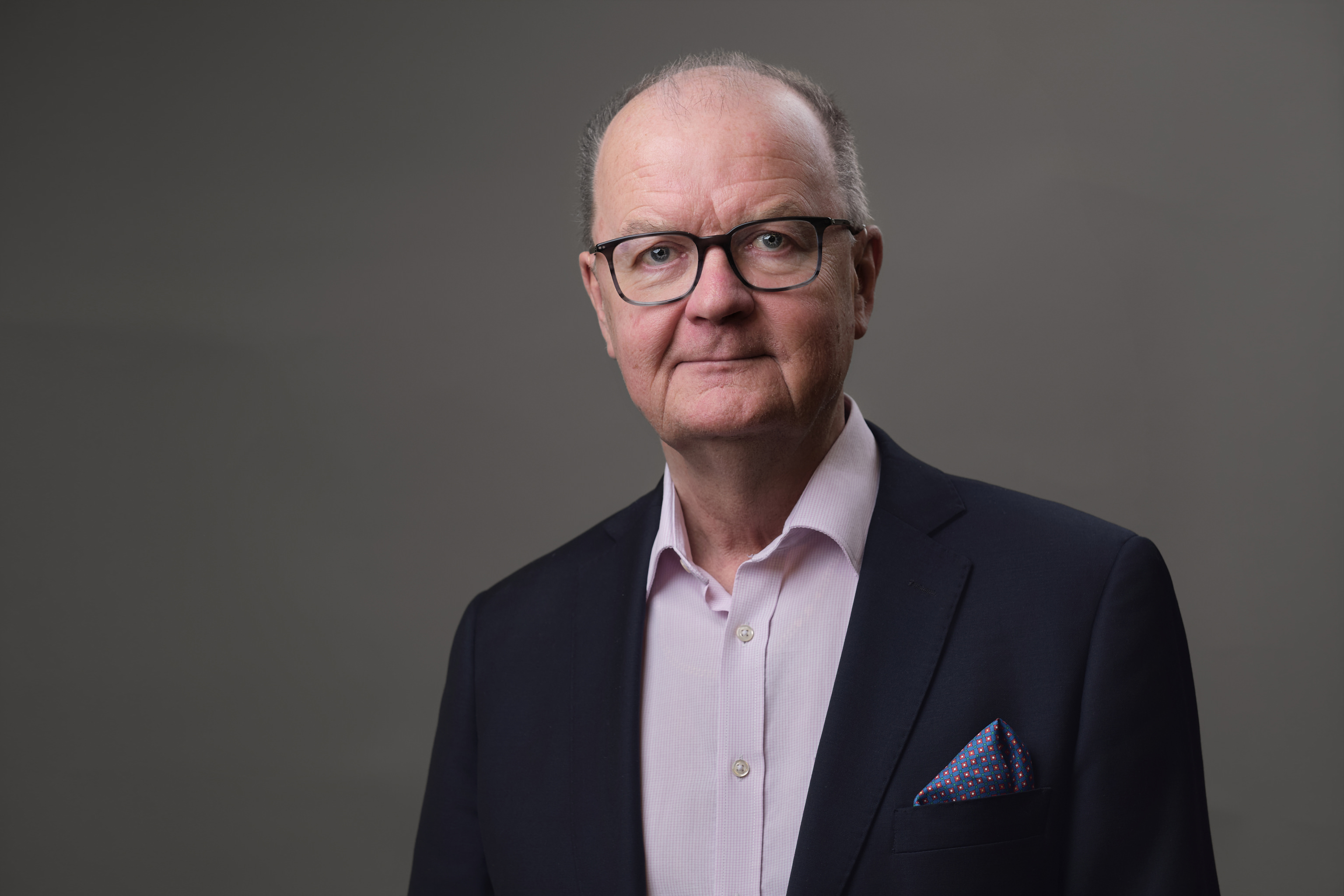
“I have had the honour and pleasure to serve as Inclusion Europe’s President for eight years. My second term will come to its end next May after our General Assembly, part of Europe in Action conference in Italy. My time as President of this great organisation will then be over. Thank you, dear members, for the opportunity you have given me!”
Read Jyrki Pinomaa’s letter in full.
Don’t miss the next Belonging with Inclusion Europe newsletter. Subscribe now.